


In this blog
- What does a medical records release allow the adjuster to access?
- Why might the insurer request your medical records?
- How can you review the release before signing?
- What if you already signed the authorization?
- Can you provide records without signing a broad release?
- Can the rules for medical records releases vary by state?
- Frequently Asked Questions
- Sources
- Next Steps
“The adjuster asked me to sign a medical records release—do I have to?” If you are dealing with an auto claim, pause before signing a broad authorization. Read which records, providers, and dates it covers; ask why each category is needed; and consider getting help reviewing it. A narrower release may address relevant injuries while limiting unrelated access.
Key Facts
- A release authorizes access to records within its stated scope.
- The form may specify providers, record types, and dates.
- A broad authorization could reach records unrelated to the crash.
- You can ask the adjuster to explain the request or provide a narrower form.
What does a medical records release allow the adjuster to access?
A medical records release allows access to information described in the authorization, so its wording matters. It may identify providers, types of treatment, or a period of time. A broad form could request more than records about injuries you attribute to the crash, including earlier treatment or unrelated health information.

Ask for a complete copy and review each section before deciding. Check whether it allows access to all records or only records related to particular injuries, and whether it lets the insurer share the information with others. Your car accident claim may involve several providers, but that does not automatically make every part of your medical history relevant.
The form’s title alone does not show how much information it covers. Read the full document and any attachments, and keep a copy of what you sign. If wording is unclear, ask the adjuster to explain it in writing before you respond.
Why might the insurer request your medical records?
An insurer may request medical records to evaluate your reported injuries, treatment, and claim. It may want to understand when symptoms began, what care you received, or whether other factors relate to the condition. That purpose does not mean every record requested is necessary or that you must accept the first form provided.

After a rear-end collision, for example, an adjuster may ask for records from providers who treated the symptoms you reported. If the request includes unrelated providers or a lengthy history, ask why those records are needed and whether the insurer will accept a more focused authorization.
Medical information is sensitive, and records may contain details that have nothing to do with the crash. Before signing, consider whether the requested material relates to your claimed injuries and whether the release limits who can obtain it and how it may be used. You can ask questions rather than signing without understanding the scope.
How can you review the release before signing?
You can review the release by checking its scope, asking about unclear terms, and requesting a narrower version when appropriate. Read the entire document, including language about expiration, redisclosure, or revocation. If the written form appears broader than the adjuster’s explanation, ask for clarification.
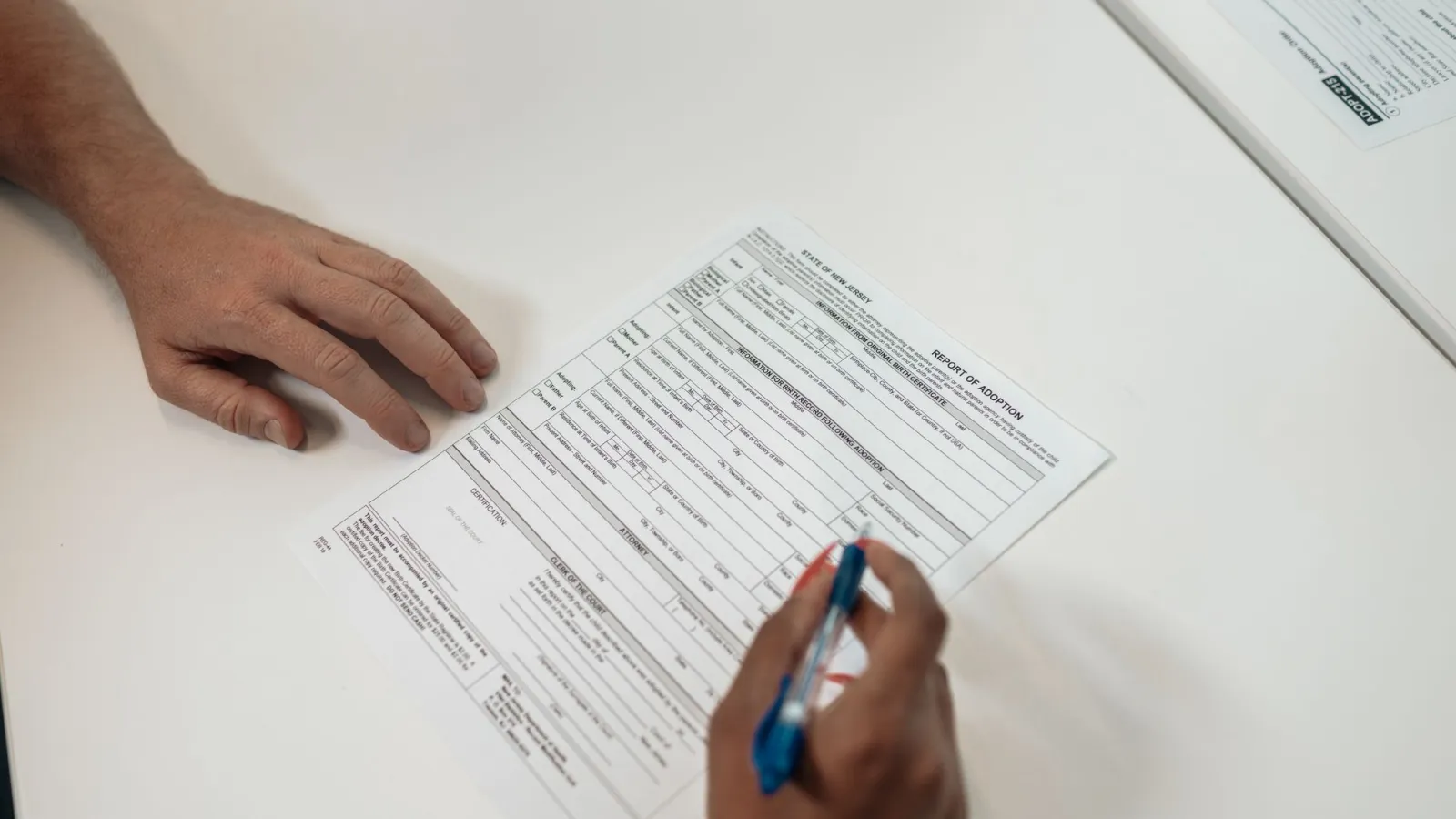
Use this checklist:
- Check which providers and facilities are named, including providers you do not consider relevant.
- Look at the record types and dates covered. Ask whether access can be limited to care connected to the injuries you reported.
- Ask who may receive the records, how they may be used, and whether the authorization ends at a stated point. Request answers and revised terms in writing.
If the crash involved a red-light or stop-sign collision, ask the insurer to explain how the requested records relate to its review. Keep copies of your questions, the request, and any form you sign.
What if you already signed the authorization?
If you already signed, get a copy of the exact form and find out what it permits the insurer to obtain. Review its scope, any expiration or revocation language, and the providers it names. Ask the adjuster which records have been requested or received and how the insurer plans to use them.

If the release is broader than you intended, ask whether the insurer will accept a replacement with a narrower scope. You can also ask whether the original can be withdrawn or limited, but the effect may depend on the form, timing, and applicable law. A request to withdraw it may not undo disclosures that already happened.
Keep copies of your communications and any new forms. If you have a lawyer, contact them before discussing the release further. Otherwise, a lawyer can review the wording and explain possible options for your situation, especially if the authorization covers sensitive or unrelated records.
Can you provide records without signing a broad release?
You can ask whether the insurer will consider relevant records or a narrower authorization instead of a broad release. Depending on the claim and the information needed, you may be able to provide selected records yourself or limit access to particular providers, conditions, or dates. Ask what alternatives the insurer will accept.

Before sending records directly, check that they relate to the claim and do not include private information you did not intend to share. Ask how the records will be stored, who may review them, and whether copies will be shared. Keep a copy of everything you provide and note when you sent it.
The insurer may still need enough information to assess the claim, and declining a request could lead to follow-up questions or affect its review. Ask the adjuster to explain any consequences in writing. A legal professional can help you understand the form and practical tradeoffs without assuming what the claim’s outcome will be.
Can the rules for medical records releases vary by state?
Yes. State law can affect privacy protections, claim procedures, and how disputes about medical records are handled. Rules may differ on authorization requirements and the effect of withdrawing a release. Policy terms and the facts of your claim can also matter.

Other state rules may affect car accident claims, including fault rules, damages limits, and filing deadlines. These issues are separate from the release’s wording but may shape how an insurer reviews a claim. A general article cannot determine whether a specific form is valid or identify a deadline for your situation.
If you are unsure what signing permits, ask a lawyer familiar with the law where the crash happened to review the form. Keep the authorization and related communications with your claim documents.
Frequently Asked Questions
Can an adjuster require me to sign its form?
An adjuster can request an authorization, but whether you must sign a particular form depends on the circumstances, applicable law, and policy terms. Ask what records the insurer needs and whether it will accept a narrower way of providing them.
Does signing mean I agree with the insurer’s view of my injuries?
Signing generally authorizes access within the form’s stated scope; it is not necessarily agreement about fault or claim value. Read the entire document because it may contain additional terms.
Can the insurer see records unrelated to the crash?
That depends on what the authorization covers and how the records are handled. Check the providers, record categories, and dates listed, since a broad release may reach information beyond crash-related treatment.
Does HIPAA stop an insurer from requesting my records?
HIPAA sets privacy requirements for covered entities, but it does not mean every insurer request is automatically blocked or limited to relevant records. Federal privacy rules, state law, and the authorization may all matter.
Sources
Next Steps
If you received a medical records release or insurance offer, request a free review of the form, offer, or claim deadline. Contact us through our consultation page to discuss your situation and possible next steps.

Related Blog

Colorado Motorcycle Crash: Does Lane Filtering Make Me at Fault?
Lane filtering alone does not decide fault after a Colorado motorcycle crash. The circumstances, applicable rules, evidence, and Colorado’s comparative-fault system all matter.

Hit by a Drunk Driver in Ohio: Can I Sue the Bar?
A bar is not automatically liable when a customer drives drunk. Whether you can bring a claim depends on the facts, evidence, and Ohio law.

Can I Sue the Other Driver in Florida, or Am I Stuck With PIP?
PIP may cover some losses after a Florida crash, but it does not automatically prevent a claim against another driver. The facts, available evidence, and Florida’s fault rules matter.
