


In this blog
- Why can a hospital bill go to collections while your claim is pending?
- What can you do first about the collection notice?
- How can you check whether insurance should be involved?
- What records should you keep while the bill is disputed or unpaid?
- Could the collection account affect your injury claim or a settlement offer?
- What rules may vary depending on where you live?
- Frequently Asked Questions
- Next Steps
“My car accident claim is still pending, but the hospital bill went to collections.” That can happen because billing and an injury claim often move on separate tracks. Contact the hospital and collector promptly, confirm what the bill covers, and ask about a pause or payment options. Keep records and tell your claim representative before agreeing to resolve medical charges.
Key Facts
- A pending injury claim does not automatically pause a hospital’s billing process.
- Confirm whether the bill was submitted to your health insurer or another available coverage.
- Ask the hospital and collector for current account details and available options.
- Keep bills, insurance statements, collection notices, and claim communications together.
- State rules and insurance terms can affect responsibility and collection procedures.
Why can a hospital bill go to collections while your claim is pending?
A hospital bill can go to collections because the provider may bill you before the car accident claim is resolved. Your hospital, health insurer, auto insurer, and the other driver’s insurer may all handle information and payments on different schedules. The existence of a claim does not, by itself, tell the hospital to stop its billing process.

The bill may also be unpaid because the provider is waiting for insurance information, a coverage decision, or clarification about who may pay. A claim representative’s discussion of medical expenses is not the same as a payment arrangement with the hospital. Ask what the account shows and whether the provider has received the relevant insurance details.
This can arise after many kinds of crashes, including rear-end collisions. Keep the billing issue separate from questions about who caused the crash or how the injury claim will be evaluated. Those issues may be connected, but the collection notice still needs attention on its own.
What can you do first about the collection notice?
Do not ignore later notices while you are waiting for a response. Keep copies of letters and take notes on calls. If you are unsure whether the account is accurate, avoid making assumptions; ask for an itemized bill and compare it with your treatment records and insurance explanations.

When you contact the hospital or collector, ask who currently manages the account and whether the amount reflects adjustments, insurance payments, or other credits. Ask how to send supporting documents and how long an account review may take. If you receive a new notice during that review, save it and ask whether any response is still required.
- Compare the notice with the hospital bill and any insurance statements you have.
- Ask the hospital whether it billed your health plan or other available coverage, and whether any information is missing.
- Ask the hospital and collector what options are available, including a temporary hold, review, payment arrangement, or financial assistance.
- If you do not recognize or agree with the debt, ask the collector how to request written details and how to dispute it.
How can you check whether insurance should be involved?
Ask each relevant insurer what coverage may apply and what documents it needs, because available coverage depends on your policy and circumstances. This may include health coverage or auto coverage for medical expenses, if applicable. Get the insurer’s answer in writing when possible, and make a note of any claim or reference information it provides.
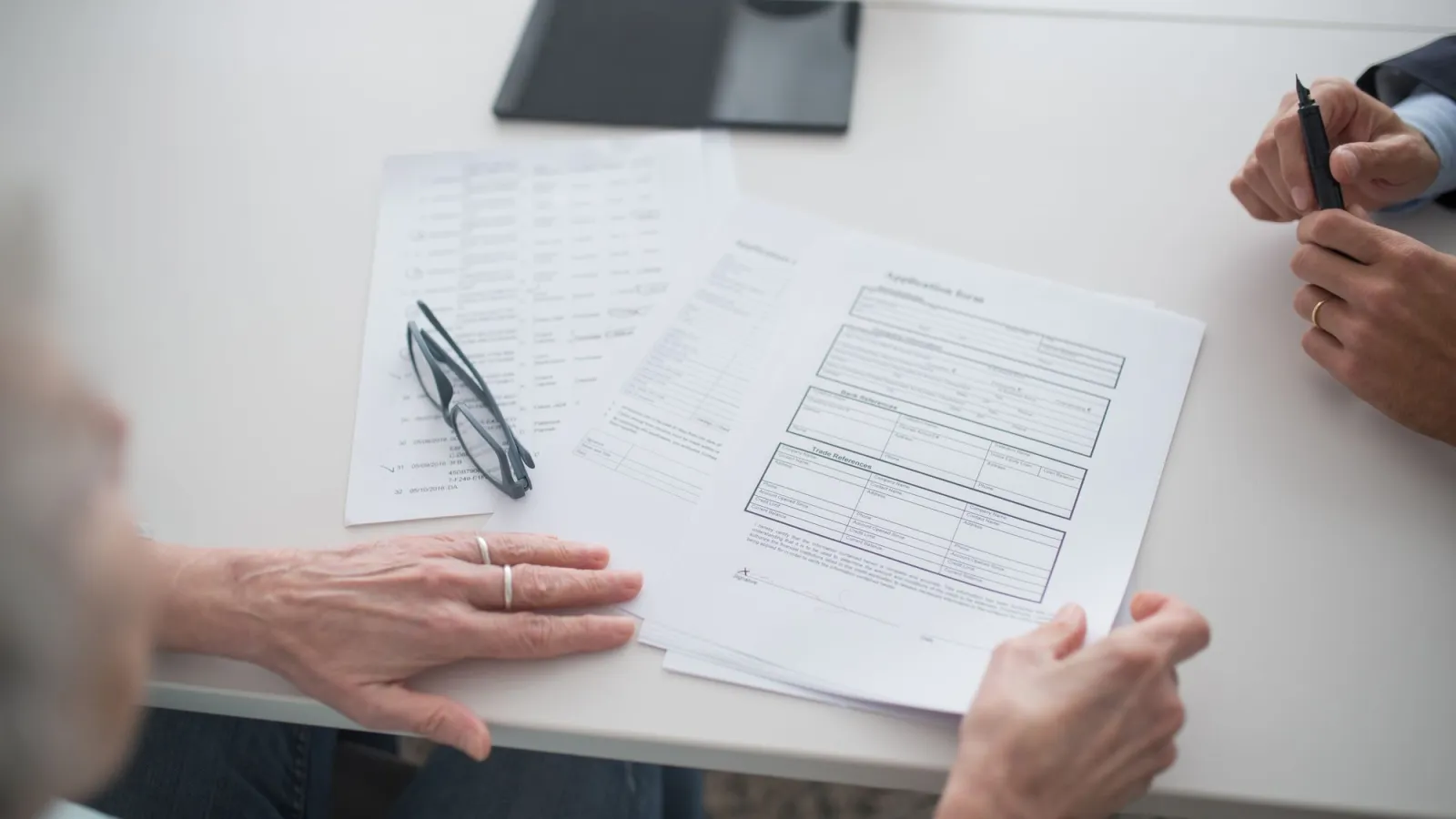
Tell the hospital billing office that a car accident claim exists and ask whether it can update the account while coverage is reviewed. Do not assume that the at-fault driver’s insurer will pay the hospital directly or before the claim is settled. The provider may still expect you to address the balance under its billing process.
For help understanding how medical bills fit into a car accident claim, ask the representative handling your claim to explain the status of any payments, reimbursements, or claimed repayment rights. Keep the answer with your billing records. Continue necessary medical care and ask your provider about billing questions separately from treatment decisions.
What records should you keep while the bill is disputed or unpaid?
Keep one organized file with every document tied to the treatment, insurance, collection account, and accident claim. Useful records include itemized bills, insurance explanations, payment receipts, collection letters, and messages from the hospital or insurers. A clear file helps you spot duplicate charges, missing insurance processing, or differences between the bill and what was actually provided.

When you contact someone, write down the date, the department or person you reached, the account information discussed, and any requested follow-up. Save emails and letters, and make a brief note of phone conversations. If a representative says the account will be reviewed or paused, ask for written confirmation and when to check back, without relying only on a verbal assurance.
Share relevant updates with the person handling your injury claim, but do not send original documents when a copy will do. Keep your own copies of bills and notices even if an insurer or lawyer asks for them. If the account changes, update your records so you can distinguish the original bill from later adjustments.
Could the collection account affect your injury claim or a settlement offer?
A collection account does not, by itself, decide whether another party is responsible for your injuries. But unpaid medical charges, insurance payments, and possible repayment claims can affect how you understand the money available after a claim resolves. Before accepting an offer, ask what medical expenses it addresses and whether any balances or repayment obligations may remain.

Do not treat a claim representative’s estimate as confirmation that every provider will be paid. Ask for an explanation of how the proposed resolution accounts for the bills and any insurance payments. If details are unclear, request time to review the figures and supporting records before agreeing to terms.
If the crash involved a specific circumstance, such as texting while driving, keep evidence and billing matters organized without assuming that one fact settles responsibility. A consultation can help you understand what questions to ask about the offer, outstanding medical charges, and your next steps.
What rules may vary depending on where you live?
State law can affect how fault is assessed, what damages may be available, and whether special notice rules apply to claims. Rules governing debt collection, medical billing, and repayment claims can also vary. Insurance policies and provider agreements may add terms that matter to your particular bill.
Because no state is specified here, this article cannot determine which rules apply to your account or claim. Check the written notices and policy documents, and ask the hospital, insurers, or a qualified local professional to explain any state-specific requirements. Deadlines can be short, so do not assume that a pending claim extends a time limit.
Frequently Asked Questions
Should you pay the bill while the accident claim is pending?
That depends on the bill, available coverage, and any payment arrangement. Ask the provider to explain the balance and available options, and ask your claim representative how payment could relate to the claim. Keep proof of any payment you make.
Can you ask the hospital to recall a bill from collections?
You can contact the hospital and ask whether it can review the account or work with the collector, but the hospital’s response depends on its policies and the account status. Ask who currently handles the balance and request any agreed change in writing.
What if the hospital bill does not match your insurance statement?
Ask the hospital for an itemized bill and contact the insurer to clarify its explanation of benefits. Point out the specific charge or processing difference and keep copies of the documents and responses. Follow up with both offices until you understand the balance.
Does a collection notice prove that you owe the amount shown?
A notice alone may not answer whether the amount is accurate or whether insurance processing is complete. Compare it with your records and ask the collector for written details if you do not recognize or agree with the debt. Use the dispute instructions that apply to your notice.
Will the other driver’s insurer pay the hospital directly?
Not necessarily. The payment process depends on the claim, the insurers involved, and any applicable coverage or agreements. Ask the insurer and provider how they expect the bill to be handled rather than assuming a pending claim stops billing.
Next Steps
If you have a collection notice or an insurance offer you are unsure about, gather the bill, notices, and claim documents for a free case evaluation. Use the consultation form to request a review of the offer, your questions about the medical charges, or any relevant deadlines. Have an attorney review your insurance offer

Related Blog

Colorado Motorcycle Crash: Does Lane Filtering Make Me at Fault?
Lane filtering alone does not decide fault after a Colorado motorcycle crash. The circumstances, applicable rules, evidence, and Colorado’s comparative-fault system all matter.

Hit by a Drunk Driver in Ohio: Can I Sue the Bar?
A bar is not automatically liable when a customer drives drunk. Whether you can bring a claim depends on the facts, evidence, and Ohio law.

Can I Sue the Other Driver in Florida, or Am I Stuck With PIP?
PIP may cover some losses after a Florida crash, but it does not automatically prevent a claim against another driver. The facts, available evidence, and Florida’s fault rules matter.
