


In this blog
- Does an airbag that did not deploy mean it was defective?
- When could non-deployment support a product claim?
- What evidence can help evaluate an airbag claim?
- How do your injuries and the crash affect the claim?
- Who might be responsible, and what happens next?
- How can state law affect an airbag product claim?
- Frequently Asked Questions
- Sources
- Next Steps
“I was hit in a crash, my airbag stayed closed, and I was hurt—does that mean it was defective?” Not by itself. An airbag’s failure to deploy may support a product claim if the system had a defect, the crash conditions called for deployment, and that defect contributed to your injuries. Crash details, vehicle data, and expert review help assess those questions.
Key Facts
- An airbag is designed to deploy in certain crash conditions, not in every collision.
- A non-deployment alone does not prove that an airbag was defective.
- A claim may involve an airbag component, its design or manufacture, or safety warnings.
- Crash records, vehicle data, and medical records may help evaluate what happened.
- State rules can affect deadlines, fault, and the kinds of claims available.
Does an airbag that did not deploy mean it was defective?
No. An airbag that stayed closed does not, by itself, show that the vehicle or airbag system was defective. Airbags are supplemental restraints, and they are designed to deploy in certain types and levels of crashes rather than every impact.
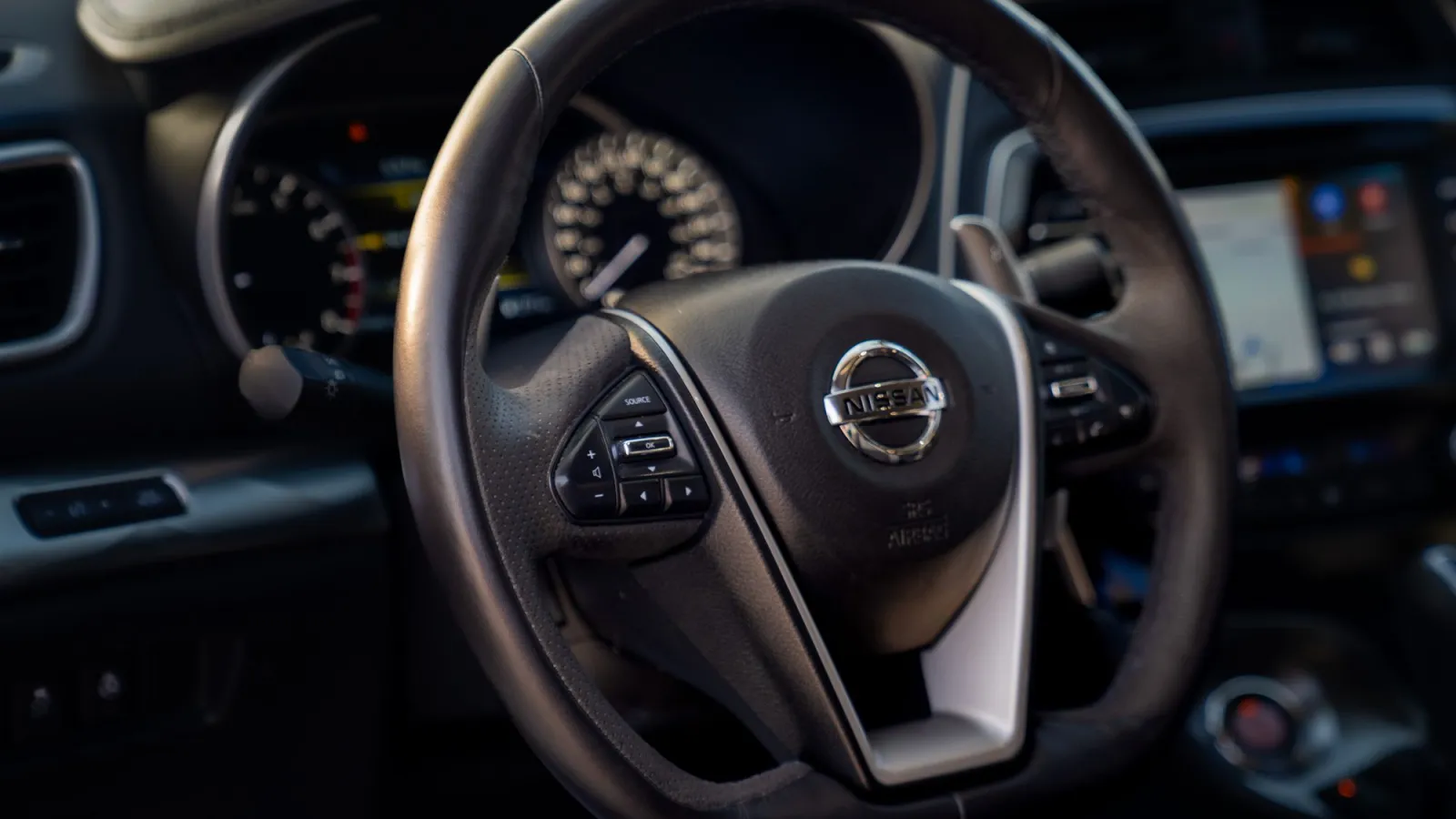
Whether deployment was expected can depend on factors such as the direction and severity of the impact, where the vehicle was struck, and the design of the particular restraint system. A front airbag may not be intended to deploy in some side impacts or other crashes. The fact that you were injured is important, but it does not alone establish that the airbag should have deployed.
The question is whether a defect existed and whether it played a meaningful part in causing your harm. That assessment may require examining the vehicle, crash information, and the airbag system. The National Highway Traffic Safety Administration explains that airbags are designed to work with seat belts and may not deploy in every crash.
When could non-deployment support a product claim?
Non-deployment may support a product claim when evidence indicates that a defect in the restraint system caused it to fail to deploy in a crash for which deployment was intended. The defect might involve a component, the system’s design, its manufacture, or a warning that did not adequately explain a relevant risk. The specific facts and applicable state law matter.
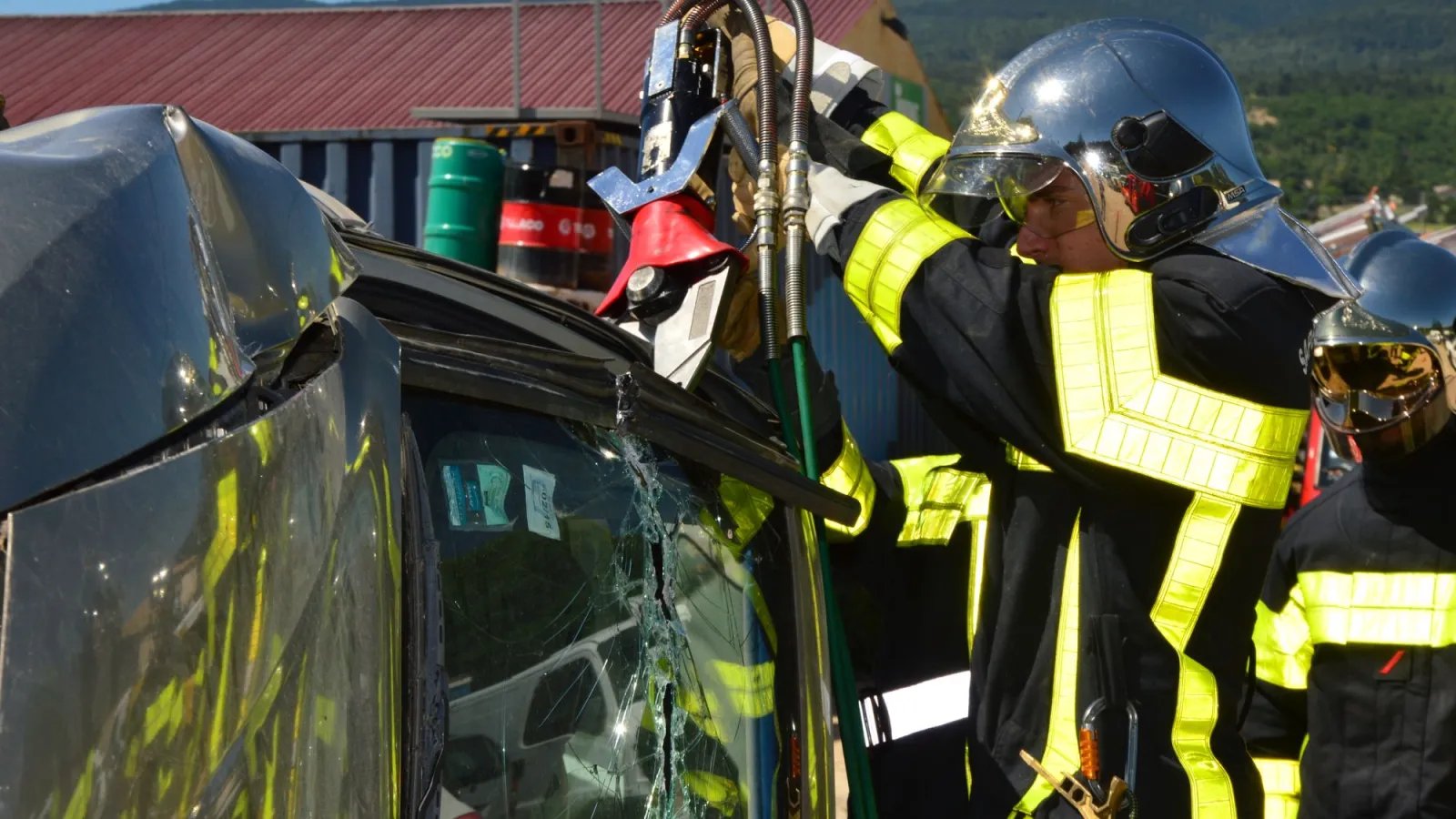
A claim generally needs more than proof that the airbag did not open. Evidence must connect a product problem to the crash and to your injury. For example, an investigation might examine whether a sensor or control unit functioned as designed, while also considering whether deployment would have prevented or reduced a particular injury. That is a technical question, not a conclusion that can be drawn from a photograph alone.
The crash itself also matters. Details of a Car Accidents case can help show the impact and forces involved. The type of collision may be relevant too: a Rear-End Collision and a Head-On Collision can involve different impact directions and restraint-system questions.
What evidence can help evaluate an airbag claim?
Vehicle, crash, and medical evidence can help determine whether a product defect contributed to your injuries. Preserve what is available and keep track of where records and damaged parts are located. Avoid repairing, selling, or disposing of the vehicle before asking how to preserve relevant evidence, because inspection may be important.

A careful review often starts with records and physical evidence. You can gather documents and make a clear account of the incident, while an attorney or technical professional may need to assess the vehicle and electronic data. The right evidence depends on the crash and the vehicle involved.
- Keep the vehicle, if possible, in its post-crash condition and note where it is stored.
- Save photos, the crash report, insurance communications, and information about witnesses.
- Request or preserve available vehicle data and repair or inspection records.
- Keep medical records and bills that describe your injuries and treatment.
- Write down what you remember about the impact, airbag warning lights, and what happened afterward.
How do your injuries and the crash affect the claim?
The crash circumstances and your injuries both help determine whether a product claim is supportable. An investigation considers not only whether the airbag should have deployed, but also whether deployment would likely have changed the injury outcome. This can require comparing the crash forces, your position in the vehicle, seat-belt use, and the nature and timing of your injuries.

Medical documentation can help show what injuries you experienced and when symptoms appeared. It does not, by itself, establish a product defect, so it may be considered alongside vehicle inspections, crash reports, photographs, and other evidence. Keep treating providers informed about symptoms and follow their care instructions.
Other factors can also affect a claim, including the conduct of drivers, vehicle maintenance, and the availability of the vehicle for inspection. More than one cause may be considered. A product investigation is separate from an insurance decision about the collision, and one does not automatically resolve the other.
Who might be responsible, and what happens next?
Depending on the evidence, a product claim may involve a vehicle manufacturer, an airbag or component manufacturer, or another business in the product’s supply chain. Identifying a potentially responsible party requires more than knowing the vehicle’s make; investigators may need to identify the airbag system and examine its condition and history.

A practical next step is to organize your records and have the circumstances reviewed before important evidence is lost or the vehicle is altered. An attorney can assess whether the available facts point to a product issue, a crash-related claim, or both. A case review can also identify information that is still needed; it cannot establish liability without supporting evidence.
If you want to discuss the incident, you can request a Consultation and ask what information may be useful to bring. Be ready to describe the crash, your injuries, the vehicle’s location, and any contact from insurers. Avoid assuming that an insurer’s position answers whether a product defect occurred.
How can state law affect an airbag product claim?
State law can affect how an airbag product claim is evaluated and how long you have to take action. Rules may differ on deadlines, fault allocation, available damages, and whether special notice requirements apply. Which rules matter can depend on where the crash occurred and other case details.
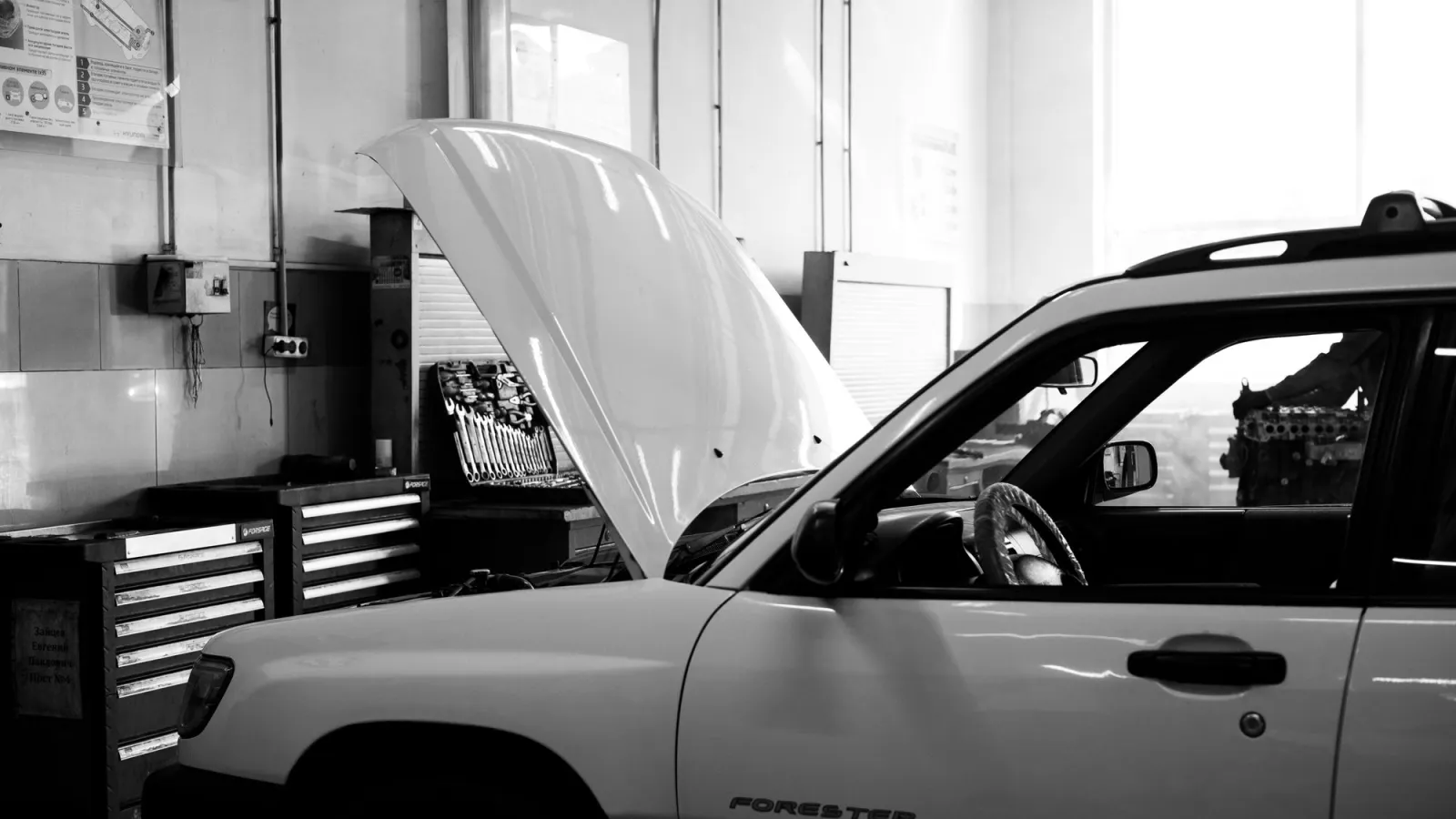
Because a vehicle may need inspection and technical evidence can take time to collect, do not assume there is unlimited time to explore a claim. A review can identify the rules that may apply to your circumstances without assuming that one state’s requirements apply everywhere.
Frequently Asked Questions
Can an airbag fail to deploy even if it is working as designed?
Yes. Airbags are intended to deploy in particular crash conditions, not in every collision. Crash direction, severity, and the restraint system’s design can affect whether deployment is expected.
Does a seat belt affect whether I can bring a product claim?
Seat-belt use may be relevant to how injuries occurred and how a claim is evaluated. Its effect depends on the evidence and the state’s rules, so it does not answer the product-defect question by itself.
Should I let the vehicle be repaired or scrapped?
The vehicle may contain evidence that helps assess the airbag system and crash. Before it is repaired, sold, or scrapped, ask about preserving it and documenting its condition.
Can I make a claim if another driver caused the collision?
A claim against another driver and a claim involving a vehicle product raise different questions. Depending on the evidence, both may be relevant, but the airbag claim still requires evidence connecting a product defect to your injuries.
Will an airbag warning light prove the system was defective?
A warning light may be useful evidence, but it does not prove a defect on its own. Records, inspection, and technical analysis may be needed to understand what the light indicated and whether it relates to the non-deployment.
Sources
- National Highway Traffic Safety Administration: Air Bags
- National Highway Traffic Safety Administration: Recalls
Next Steps
If an airbag did not deploy and you were injured, request a free case evaluation to discuss the crash, the vehicle, and the available evidence. You can also ask for a review of an insurance offer or a deadline check based on your circumstances. Request a free case evaluation

Related Blog

Colorado Motorcycle Crash: Does Lane Filtering Make Me at Fault?
Lane filtering alone does not decide fault after a Colorado motorcycle crash. The circumstances, applicable rules, evidence, and Colorado’s comparative-fault system all matter.

Hit by a Drunk Driver in Ohio: Can I Sue the Bar?
A bar is not automatically liable when a customer drives drunk. Whether you can bring a claim depends on the facts, evidence, and Ohio law.

Can I Sue the Other Driver in Florida, or Am I Stuck With PIP?
PIP may cover some losses after a Florida crash, but it does not automatically prevent a claim against another driver. The facts, available evidence, and Florida’s fault rules matter.
