


In this blog
- How is a totaled car’s value determined?
- What should you check in the insurer’s valuation?
- How can you respond to a low total-loss offer?
- What if the insurer will not revise the offer?
- What should you review before accepting payment?
- Which state rules can affect a total-loss dispute?
- Frequently Asked Questions
- Next Steps
“The insurer says my car is totaled, but the offer won’t cover a comparable replacement.” A low offer is not necessarily the last word: check the valuation report, correct inaccurate vehicle details, and provide evidence of comparable cars and condition. The vehicle’s pre-crash value—not your loan balance—is usually the starting point.
Key Facts
- Total-loss offers generally focus on the vehicle’s value just before the crash.
- Mileage, options, condition, and local market comparisons can affect the estimate.
- A loan balance does not determine the vehicle’s pre-crash value.
- Policy language and state rules may affect how you can challenge an offer.
- Keep copies of reports, communications, and evidence you send the insurer.
How is a totaled car’s value determined?
A total-loss offer generally reflects the car’s actual cash value just before the crash, rather than the cost of a new car or the amount remaining on your loan. The insurer may use a valuation report based on vehicle details and comparable vehicles in your market.

Factors can include make, model, year, trim, mileage, installed options, prior damage, and condition. The report may also account for local availability and adjustments between your car and the comparison vehicles. The methods and policy terms can differ between claims. If the insurer asks you to confirm details, compare its description with registration, purchase paperwork, and your own records before agreeing it is accurate.
The amount is separate from who caused the crash. If you are sorting through the wider Car Accidents claim, keep the valuation issue distinct from questions about fault, medical expenses, or other losses. A crash type alone does not establish what your car was worth before the loss.
What should you check in the insurer’s valuation?
Check whether the report describes your specific car accurately and compares it with genuinely similar vehicles. A small error in trim, mileage, equipment, or condition can affect the estimate, while a comparison from a different market or with different features may not be a useful match.

Review the report line by line. Confirm the vehicle identification details, odometer reading, options, prior condition, and any deductions. Then look at the comparable vehicles: note their location, model year, trim, mileage, and advertised price. Keep in mind that a listing price is not necessarily the final sale price.
Gather records that help establish condition or equipment, such as maintenance receipts, purchase documents, photographs, and window stickers if available. You can also collect listings for similar vehicles in your area and date them. These materials may help you point to specific omissions or mismatches rather than relying only on a general statement that the offer feels low.
How can you respond to a low total-loss offer?
You can respond by asking for the complete valuation report, identifying errors, and sending focused evidence that supports a different value. Keep your communication factual and save copies of everything you send and receive. A valuation dispute can arise after any crash, including a rear-end collision; the type of impact does not show whether the vehicle comparisons are accurate.

A clear written response makes it easier to see what the disagreement is about. Include the insurer’s estimate, the specific information you believe is wrong, and relevant documents or comparable listings. Ask the adjuster to explain any adjustments or deductions you do not understand. Avoid treating a single online listing as conclusive evidence; explain why each comparison is similar to your car and local market.
- Request the full valuation report and the process for disputing it.
- List factual errors or questionable comparisons, with the correct details.
- Send supporting records and comparable listings, and ask for a written response.
What if the insurer will not revise the offer?
If the insurer does not change its estimate, ask for a written explanation of how it considered your evidence and what dispute options remain. You can ask whether a supervisor review is available and whether the insurer’s process includes an appraisal or other review. The answer may depend on whether you are making a claim under your own policy or against another driver’s insurer.
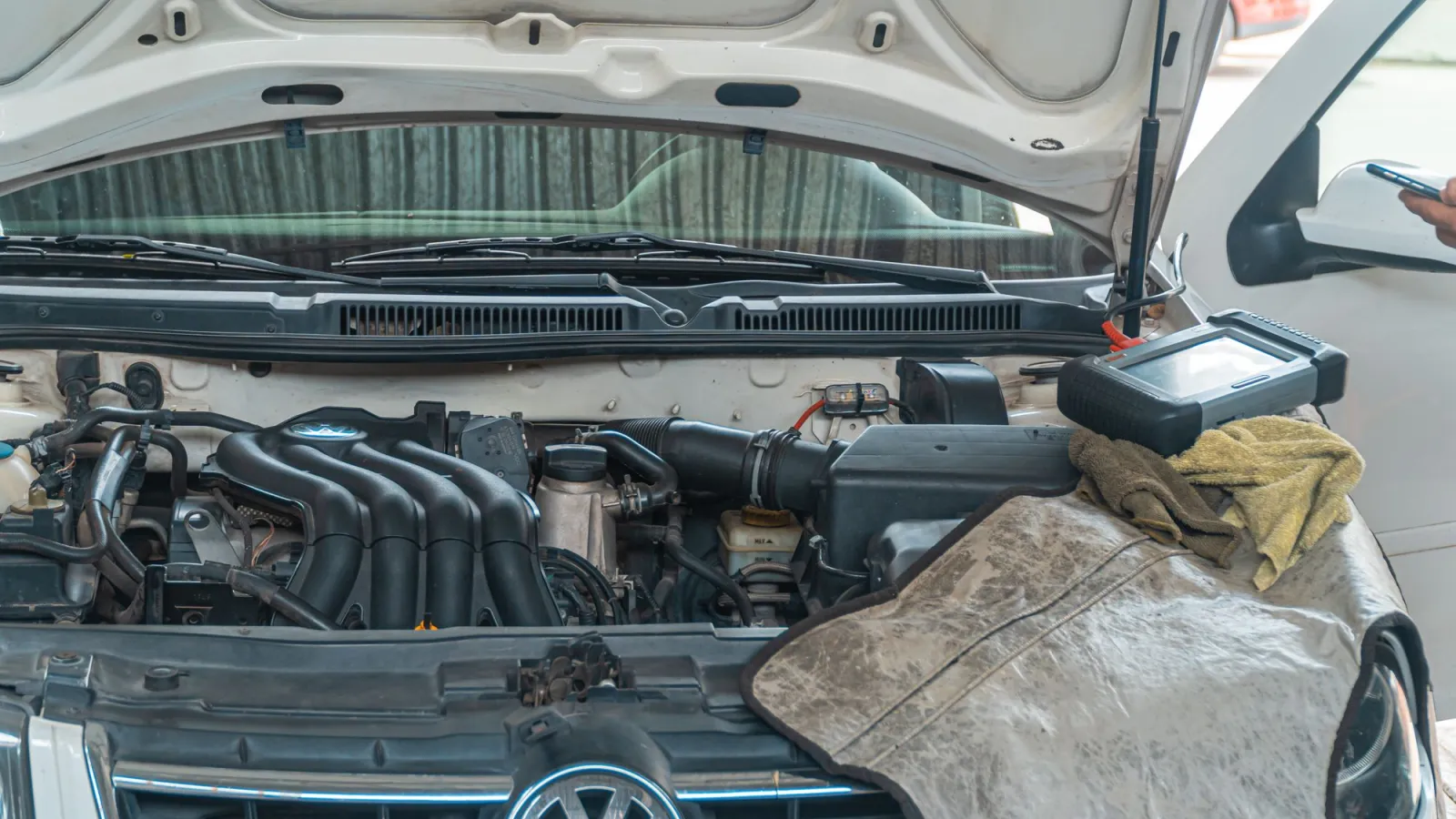
If you are using your own coverage, read the policy for any appraisal clause and follow its stated requirements. Check who selects or pays appraisers, how the process works, and whether it addresses only the amount of loss. Do not assume that an appraisal procedure applies to every claim or that it resolves other issues, such as coverage or fault.
You may also contact your state insurance department to learn how to raise a consumer complaint. A complaint process is not a substitute for reviewing policy terms or preserving applicable deadlines. Keep notes of calls, names, dates, and promised follow-ups so you have a clear record of the dispute.
What should you review before accepting payment?
Before accepting, understand what the offer covers, how the insurer will handle the vehicle, and whether any documents release other claims. Ask for an itemized settlement calculation, including any deductions, taxes or fees the insurer has included, and any amount payable to a lienholder. If you owe more than the car’s value, ask your lender about the remaining balance and check whether separate gap coverage may apply.

Clarify whether you can keep the salvage and how that would change the payment. Retaining a totaled vehicle can involve title, inspection, or repair restrictions that depend on local rules. Ask about storage charges and the deadline for removing the vehicle, because costs and logistics can become an issue while the value dispute is pending.
Read any release carefully, especially if you also have injury or other loss claims. A property-damage payment and a broader release may have different effects. If the document’s scope is unclear, pause to get an explanation before signing. Keep the offer, release, valuation report, and proof of any payment together with your claim records.
Which state rules can affect a total-loss dispute?
State law and insurance rules can affect total-loss procedures, valuation adjustments, title and salvage requirements, taxes or fees, and how you may dispute an amount. Rules can also vary on fault, damages caps, notice requirements, and claim deadlines. Those details may matter depending on whether you are using your own policy or pursuing another driver’s insurer.
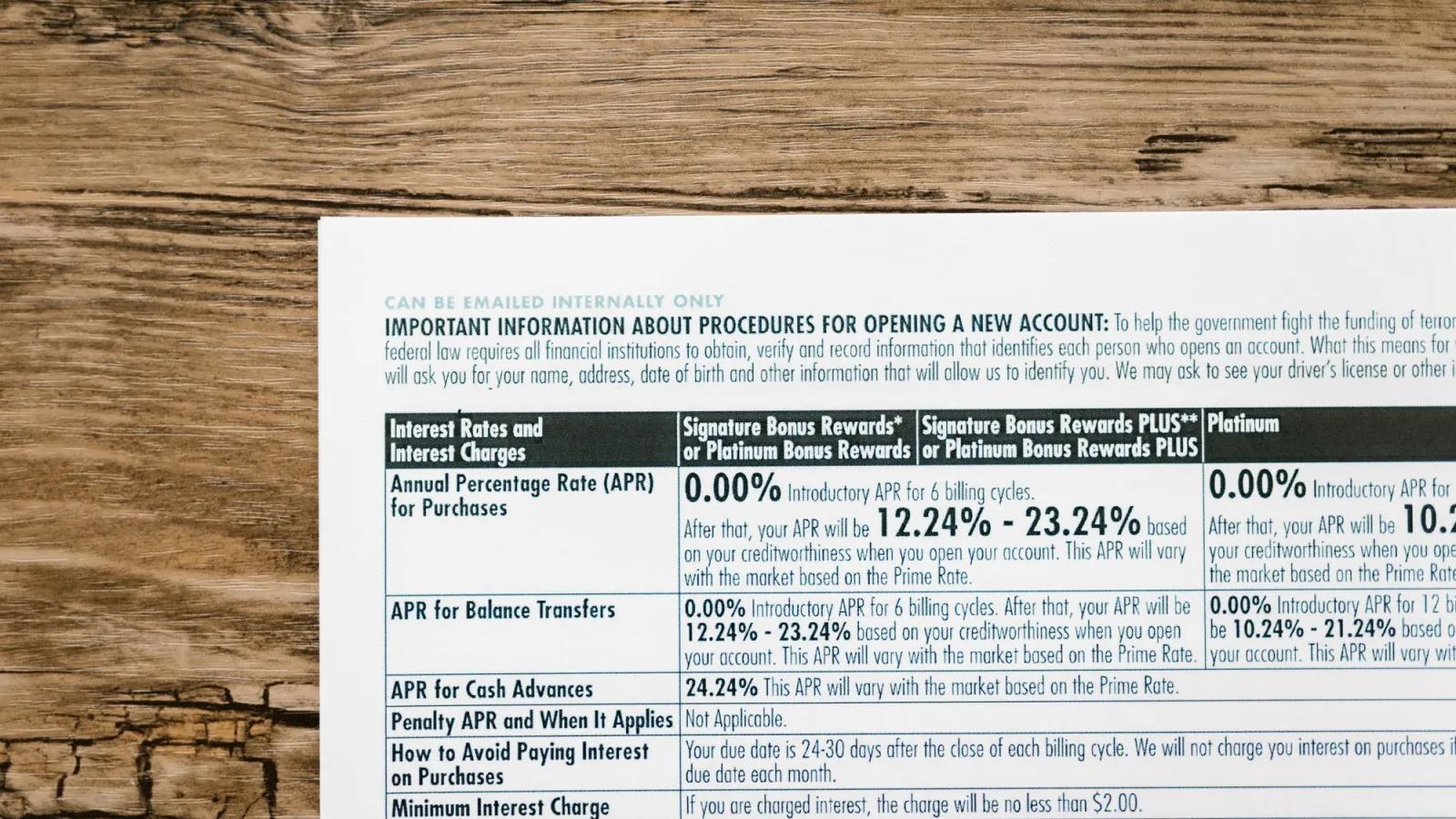
Because no state is specified here, check the rules that apply where the crash and claim are being handled. Your policy, insurer communications, and state insurance department can help identify relevant procedures. Deadlines can be short, so keep track of any dates in claim notices and policy documents.
Frequently Asked Questions
Can I keep a car the insurer has declared a total loss?
In some situations, you may be able to keep the vehicle, but the settlement may be reduced to account for its salvage value. Title, inspection, and road-use rules vary by state. Ask the insurer how owner retention would affect the offer and check the applicable local requirements.
Does the amount I owe on my car loan change its value?
The loan balance generally does not determine the car’s pre-crash value. If the settlement is less than what you owe, you may still have a balance unless separate gap coverage applies. Check your loan documents and any gap policy for their terms.
Are online car listings useful evidence?
They can help show what similar vehicles are being offered for in your market, especially when the listings match your car’s year, trim, mileage, and features. Asking prices may differ from actual sale prices, so explain why each listing is a close comparison and keep a copy.
Can maintenance records affect a total-loss valuation?
Records may help document the vehicle’s condition, service history, or installed equipment. They do not automatically require an insurer to increase an offer, but they can support a specific correction to the valuation report. Send copies and keep the originals.
Next Steps
You can request a free case evaluation to review the insurance offer, discuss the valuation documents, and check for deadlines that may apply. Request a Consultation and bring the insurer’s report, policy documents, and any comparable listings you have gathered.
Related Guides

Related Blog

Colorado Motorcycle Crash: Does Lane Filtering Make Me at Fault?
Lane filtering alone does not decide fault after a Colorado motorcycle crash. The circumstances, applicable rules, evidence, and Colorado’s comparative-fault system all matter.

Hit by a Drunk Driver in Ohio: Can I Sue the Bar?
A bar is not automatically liable when a customer drives drunk. Whether you can bring a claim depends on the facts, evidence, and Ohio law.

Can I Sue the Other Driver in Florida, or Am I Stuck With PIP?
PIP may cover some losses after a Florida crash, but it does not automatically prevent a claim against another driver. The facts, available evidence, and Florida’s fault rules matter.
