

In this blog
- What factors help decide fault in a merging sideswipe?
- What evidence can clarify how the sideswipe happened?
- What if the other driver gives a different account?
- Can more than one driver be at fault?
- How can you assess whether you may have a claim?
- How can state law affect a merging sideswipe claim?
- Frequently Asked Questions
- Next Steps
“I was already in my lane when another car moved over and sideswiped me.” Fault is decided by examining how each driver acted, the collision’s location and timing, and evidence such as photos, witness accounts, and vehicle damage. A lane change does not automatically settle fault; the full circumstances matter, and responsibility may be shared.
Key Facts
- Fault depends on the circumstances, not just the fact that a sideswipe happened during a merge.
- Evidence can include photos, video, witness accounts, vehicle damage, and the police report.
- A driver’s statement or an insurance decision is not necessarily the final word on responsibility.
- State rules can affect how shared fault changes a claim.
- Promptly preserving evidence can help explain where each vehicle was and how it moved.
What factors help decide fault in a merging sideswipe?
Fault is usually assessed by looking at each driver’s actions before and during the sideswipe. Relevant details include which vehicle was changing lanes, whether either driver signaled, how much space was available, and whether a driver had time to respond safely. The location of the damage and the vehicles’ positions after impact can also help explain what happened.

A driver moving into another lane may be responsible if the evidence shows that the move was unsafe. But being in a lane first does not automatically resolve every dispute: another driver’s speed, position, or actions may also matter. The key question is how each person contributed to the collision, based on the available facts.
This is one type of dispute handled in Car Accidents claims. Insurers may reach an initial view after reviewing statements and records, but their assessment can change if additional evidence clarifies the sequence of events.
What evidence can clarify how the sideswipe happened?
Evidence that shows the vehicles’ positions, movement, and damage can help clarify how the sideswipe happened. If you can do so safely, take photos of the vehicles, the roadway, lane markings, signs, and any visible debris. Keep original images and note when and where they were taken.
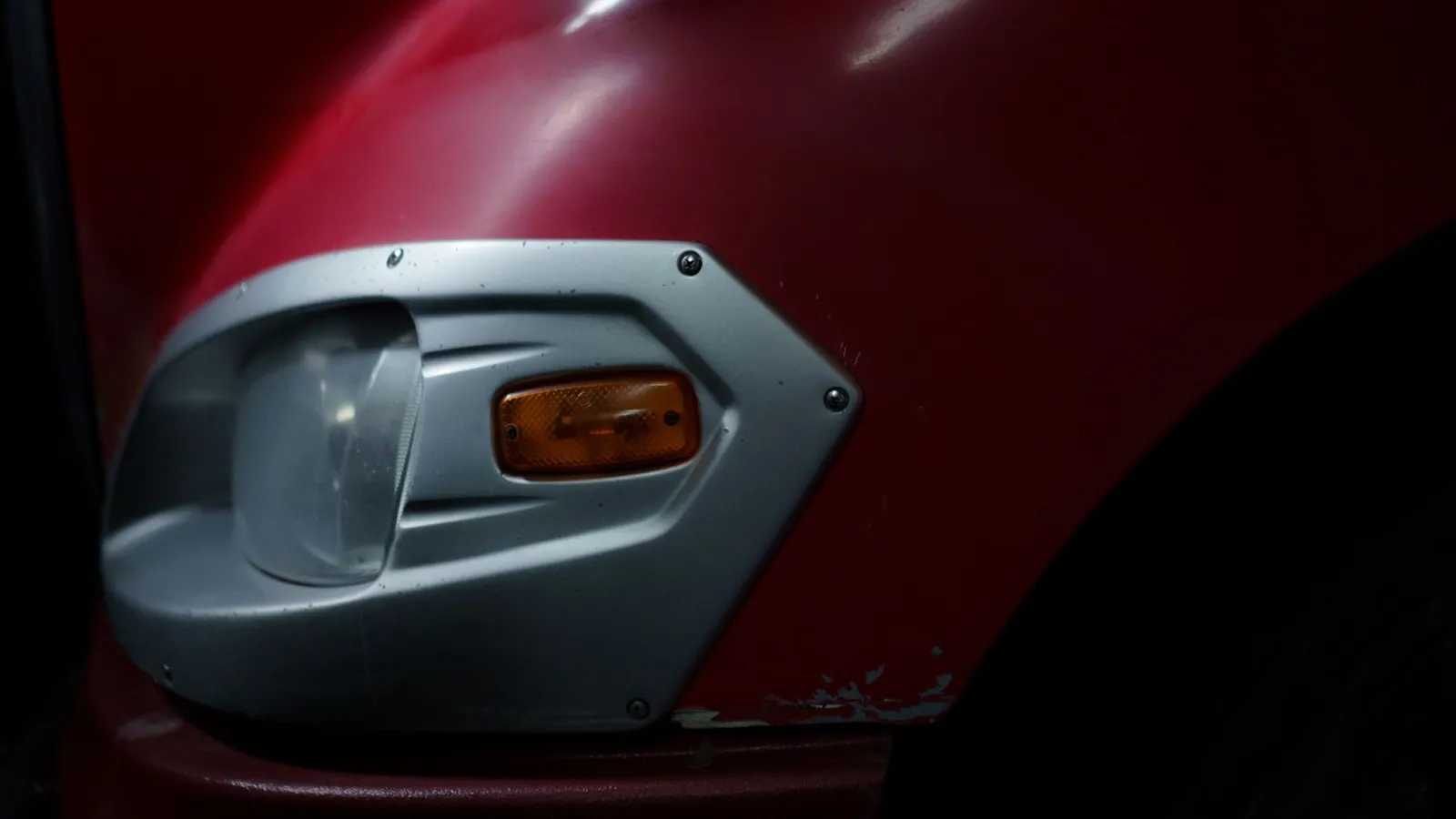
Other useful evidence may include dashcam or nearby camera footage, witness names and contact details, the police report, and repair or medical records. A report can document observations and statements, but it does not automatically decide who is legally responsible. Records made soon after the collision may help preserve details you might otherwise forget.
If you are gathering records, use an orderly approach:
- Save photos, video, and contact information in a place you can find later.
- Write down your own account while the details are fresh, including the lane positions and direction of travel.
- Keep copies of insurer messages, repair estimates, and relevant records.
If you suspect another driver was distracted, details about their actions may matter; see Texting While Driving Accidents. Avoid guessing about facts you did not observe.
What if the other driver gives a different account?
When drivers disagree, fault may depend on how well each account fits the physical evidence and other records. Insurers may compare statements with vehicle damage, photographs, witness descriptions, video, and the roadway layout. Different accounts do not, by themselves, establish that either driver is telling the truth or that both share fault.
Try to keep your description factual and consistent. Explain what you personally saw, such as which vehicle was ahead or whether a car crossed a lane marking; distinguish those observations from what you assume happened. If you are unsure about a detail, say so rather than filling in a gap.
You may receive requests for information or a recorded statement from an insurer. Ask what the request is for, keep a record of your communications, and take time to understand what you are being asked to provide. If the collision also involved a rear impact or more than one point of contact, the sequence may be disputed; Rear-End Collisions can involve similar questions about timing and vehicle movement.
Can more than one driver be at fault?
Yes, more than one driver may contribute to a sideswipe, depending on the evidence and the applicable state rules. For example, one driver may have moved into a lane without enough space while the other may have had an opportunity to react but failed to do so. Those possibilities need to be tested against what actually happened, not assumed from the type of crash.
Shared responsibility can affect whether you can recover compensation and how an award or settlement is calculated. The effect depends on the rules that apply where the collision occurred. An insurer may also assign percentages of responsibility during its review, but that position is not automatically the final legal determination.
Look closely at the entire sequence: where each vehicle was, when the merge began, whether either driver changed speed, and whether there was room to avoid contact. Evidence showing the order of events can matter when each driver says the other caused the crash. If you are comparing accounts, separate what the evidence supports from what either party merely claims.
How can you assess whether you may have a claim?
You can begin assessing a possible claim by reviewing the available evidence, your injuries or other losses, and the rules that apply in the state where the collision happened. A sideswipe alone does not establish a claim; the evidence needs to connect another party’s conduct to the collision and your losses. The details can also affect whether fault is disputed or shared.

Gather the collision report, photographs or video, witness information, medical records, and repair documents. Make a simple timeline of what happened and keep notes of insurer communications. If a vehicle defect, road condition, or another driver may have played a role, preserve relevant details rather than deciding too early that only one person was involved.
A legal professional can review the facts and explain issues that may affect your options. If you want an individual review, you can request a Consultation and ask about the evidence, possible shared fault, and any timing concerns. A review can help you understand the questions raised by your circumstances without guaranteeing a particular result.
How can state law affect a merging sideswipe claim?
State law can affect how shared fault is handled, which deadlines apply, whether special notice rules matter, and whether any damage caps could affect a claim. These rules vary, so information that applies in one place may not apply where your collision occurred. The location of the crash and the facts of your situation matter when identifying the relevant rules.
Because no state was provided, this overview cannot identify a particular deadline or fault rule. A local legal professional can explain which rules may apply to your circumstances.
Frequently Asked Questions
Does a turn signal prove a driver was entitled to merge?
No. A signal can show that a driver intended to move, but it does not by itself establish that the lane change was safe or that the other driver caused the collision. The surrounding circumstances and other evidence still matter.
Can there be a claim if the cars barely touched?
A low-impact collision does not automatically rule out a claim. The relevant questions include whether the collision caused injury or other losses and what the evidence shows about responsibility. Document the damage and seek appropriate medical attention for concerning symptoms.
What if there were no witnesses?
A claim can still be assessed without an independent witness. Photos, video, vehicle damage, roadway features, and the drivers’ accounts may help explain what happened. Preserve the evidence you have and avoid assuming the dispute cannot be resolved.
Does the police report decide who is at fault?
A police report may record observations, statements, and other details, but it does not automatically determine legal responsibility. Insurers and, if necessary, legal decision-makers may consider the report alongside other evidence.
Next Steps
If you are unsure how the evidence affects responsibility, request a free case evaluation to discuss the collision, possible shared fault, and any timing concerns. You can begin with a Consultation; no particular outcome can be promised.

Related Blog

Colorado Motorcycle Crash: Does Lane Filtering Make Me at Fault?
Lane filtering alone does not decide fault after a Colorado motorcycle crash. The circumstances, applicable rules, evidence, and Colorado’s comparative-fault system all matter.

Hit by a Drunk Driver in Ohio: Can I Sue the Bar?
A bar is not automatically liable when a customer drives drunk. Whether you can bring a claim depends on the facts, evidence, and Ohio law.
Can I Sue the Other Driver in Florida, or Am I Stuck With PIP?
PIP may cover some losses after a Florida crash, but it does not automatically prevent a claim against another driver. The facts, available evidence, and Florida’s fault rules matter.
