

In this blog
- Can the company be responsible for the driver's actions?
- What facts help show the driver was working?
- Can the company be liable for its own conduct?
- What if the driver was a contractor or using a personal car?
- What can you do while assessing a claim?
- How can state law affect a company-car claim?
- Frequently Asked Questions
- Next Steps
“I was hit by a driver in a company car and want to know whether the business is responsible.” You may be able to bring a claim against the company if the driver was an employee acting within job duties, or if the company’s own negligence contributed. The car’s ownership alone does not establish liability; the facts and state law matter.
Key Facts
- A company may be responsible for an employee’s driving while the employee is doing work-related tasks.
- The driver’s personal liability and the company’s potential liability are separate questions.
- A company may face a claim based on its own conduct, such as negligent vehicle maintenance.
- Company ownership of the car does not automatically make the company legally responsible.
- Employment status, the purpose of the trip, and state law can affect the analysis.
Can the company be responsible for the driver's actions?
Yes, a company may be responsible when its employee causes a crash while carrying out work duties, though the outcome depends on the facts and state law. This kind of employer responsibility is often called vicarious liability. The employee may also be personally responsible for negligent driving, so a claim may involve both the driver and the company.

The key question is usually whether the driver was acting within the scope of employment at the time. A delivery run, a trip between work sites, or another assigned task may support that connection. A personal errand or commute may point the other way, but labels alone do not settle it. The company’s rules, the trip’s purpose, and what the driver was doing can all matter.
A company car is useful evidence, but it does not prove the driver was working or that the employer is liable. If you are reviewing what happened, start with the basics of a car accident claim, then look at the driver’s work role and the reason for the trip.
What facts help show the driver was working?
Facts showing the driver was performing a work task at the time can help connect the crash to the company. The most useful evidence often establishes who assigned the trip, where the driver was headed, and whether the trip served a business purpose. No single item necessarily decides the issue; the overall circumstances matter.
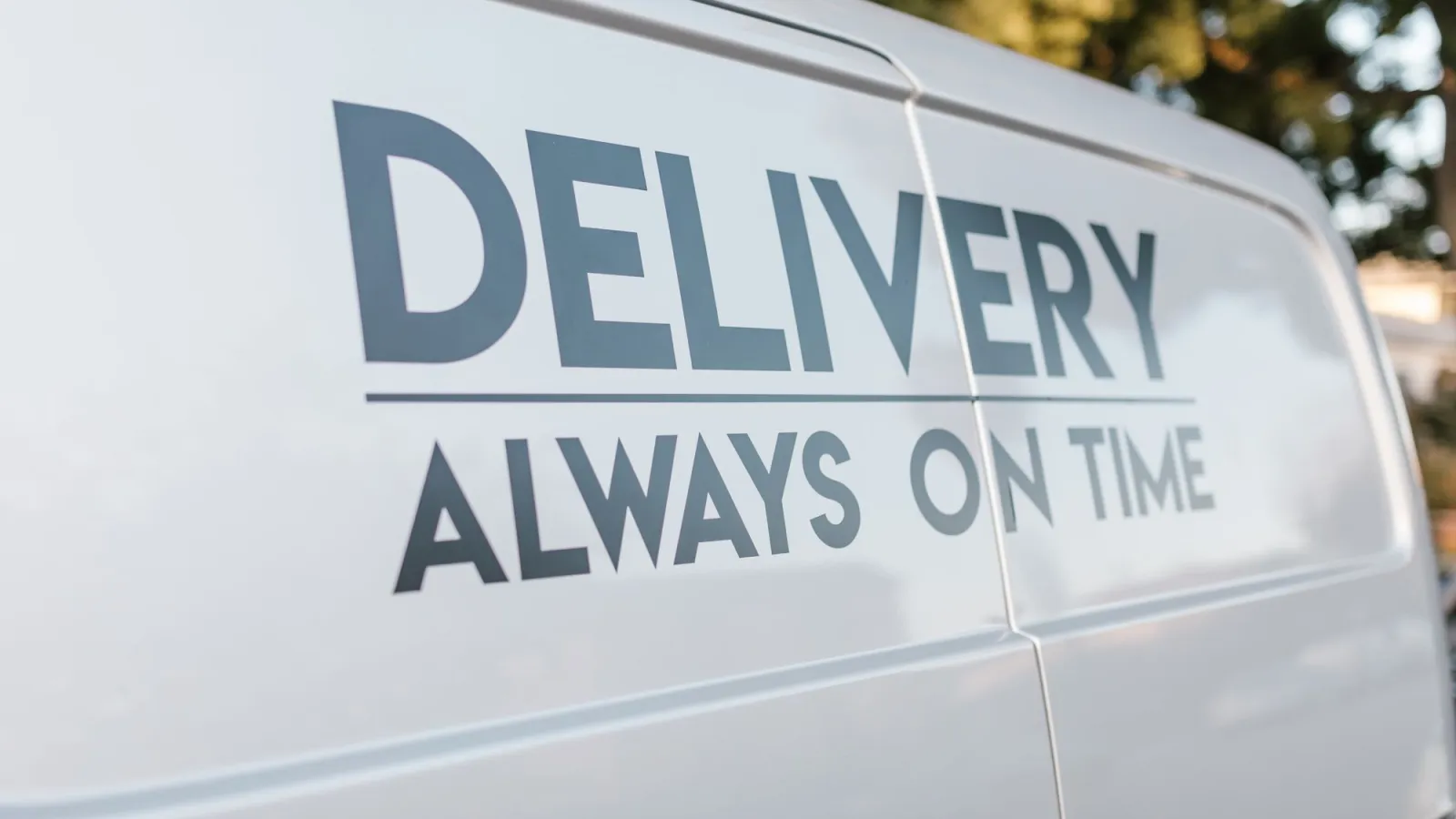
Look for information that may confirm the work connection, while preserving what you already have. Records can be held by the company or insurer, so you may not be able to access every item yourself. Write down your own recollection while it is fresh and keep copies of documents you receive.
Potentially useful information includes:
• The police report and any statements from witnesses.
• The driver’s job title, employer, and reason for being on the road.
• Dispatch messages, schedules, delivery records, or work orders, if available.
• Vehicle markings, registration details, and the company’s name.
• Photos of the scene, vehicle damage, and road conditions.
If the driver left and has not been identified, the claim may involve different insurance questions. You can read more about hit-and-run accidents while you gather the available crash information.
Can the company be liable for its own conduct?
Yes, a company may face a separate claim if its own negligent conduct contributed to the crash or your injuries. This is different from holding an employer responsible for an employee’s actions. Whether a particular claim is available depends on the evidence and the rules that apply where the crash happened.
Possible issues may include whether the company failed to maintain a vehicle, allowed an unsafe vehicle to be used, or failed to take reasonable care when hiring or supervising a driver. These are not automatic grounds for liability: you generally need facts connecting the company’s conduct to the collision or resulting harm. A company’s policies or records may be relevant, but their existence alone does not prove negligence.
Keep the focus on evidence rather than assumptions about the business. For example, vehicle inspection or repair records may help explain a mechanical problem, while work records may clarify why the driver was on the road. A lawyer can assess whether those facts support a claim against the company, the driver, or both.
What if the driver was a contractor or using a personal car?
The company may still be a possible defendant, but contractor status or personal-car use can make the analysis more complicated. A business may argue that the driver was an independent contractor or was acting outside the job. The label in a contract is not always the only consideration; the relationship and the circumstances of the trip may matter under state law.

A driver using a personal vehicle does not, by itself, rule out a work-related claim. For example, a person may use a personal car while carrying out a task for a business. On the other hand, a company is not automatically liable just because the driver was doing something that benefited it. The details of control, assignment, and the trip’s purpose can be important.
If the driver was a young worker, the company’s role, the driver’s employment status, and any applicable insurance coverage may still need to be examined. A separate teen driver accident overview may help explain issues involving younger drivers, but the facts of your crash remain central.
What can you do while assessing a claim?
You can protect useful information by documenting the crash, keeping communications, and identifying everyone who may have been involved. Taking these steps does not establish that the company is liable, but it can help clarify what happened and where a claim may belong.

Keep records of your injuries, treatment, missed work, and expenses, along with any letters, calls, or claim numbers from insurers. Avoid guessing about details you do not know; note what you personally observed and what another person told you separately. If an insurer requests a statement or offers a resolution, make sure you understand what the request or document means before responding.
A practical checklist:
• Save photos, reports, medical records, and receipts in one place.
• Write down the company and insurance information available to you.
• Record names and contact details for witnesses, if you have them.
• Keep a dated log of insurer communications and any requests for documents.
• Ask for help evaluating whether the driver, company, or both may be responsible.
How can state law affect a company-car claim?
State law can affect the deadline to bring a claim, how fault is shared, whether damages are capped, and whether special notice rules apply. The rules for employer responsibility and the treatment of employees or contractors can also differ. A general explanation cannot determine which rules apply to your crash.

The location of the collision, the people and businesses involved, and the type of claim may all matter. Deadlines can be short, and a claim involving a government entity may have additional notice requirements. Check the rules for the relevant location with a qualified legal professional rather than relying on a general timeline.
Frequently Asked Questions
Can I make a claim against the driver and the company?
Possibly. The driver may be personally responsible for negligent driving, and the company may also be responsible under applicable law. The facts determine whether one or both can be included.
Does the company’s insurance have to pay for my injuries?
Not automatically. Coverage depends on the policy, the driver’s role, the use of the vehicle, and the circumstances of the crash. An insurer may investigate before deciding whether coverage applies.
What if the company says the driver was off duty?
That statement does not settle the issue by itself. The trip’s purpose, work instructions, timing, and other records may help establish what the driver was doing.
Can I still have a claim if I do not know who owned the car?
You may still be able to investigate. The police report, vehicle details, witnesses, and insurance communications may help identify the owner or employer. Keep records of the information you do have.
Next Steps
If you were injured, you can request a free case evaluation to discuss the driver’s work connection, the available evidence, and any insurance offer or deadline concerns. Visit our Consultation page to take the next step.

Related Blog

Colorado Motorcycle Crash: Does Lane Filtering Make Me at Fault?
Lane filtering alone does not decide fault after a Colorado motorcycle crash. The circumstances, applicable rules, evidence, and Colorado’s comparative-fault system all matter.

Hit by a Drunk Driver in Ohio: Can I Sue the Bar?
A bar is not automatically liable when a customer drives drunk. Whether you can bring a claim depends on the facts, evidence, and Ohio law.

Can I Sue the Other Driver in Florida, or Am I Stuck With PIP?
PIP may cover some losses after a Florida crash, but it does not automatically prevent a claim against another driver. The facts, available evidence, and Florida’s fault rules matter.
