


In this blog
- Why might the other driver’s insurer deny my claim?
- What should I do after receiving a denial letter?
- How can I respond if the insurer says I caused the crash?
- Could my own insurance help after the denial?
- When may I want help reviewing the denial?
- How can state rules affect a denied auto claim?
- Frequently Asked Questions
- Next Steps
“I opened the at-fault driver’s insurer’s letter and saw that my claim was denied. Does that mean I have no options?” Not necessarily. A denial explains the insurer’s current position, but you can review its reason, ask what information it relied on, gather relevant evidence, and check whether your own policy or another route may apply.
Key Facts
- A denial letter may dispute fault, coverage, or the connection between the crash and your losses.
- Read the full letter and keep it with your claim records.
- Ask the insurer to explain the specific basis for its decision in writing.
- Your own auto policy may offer coverage, depending on its terms and the circumstances.
- Deadlines and claim procedures can vary by state and policy.
Why might the other driver’s insurer deny my claim?
The insurer may deny your claim because it disputes who caused the crash, says its policy does not cover the incident, or questions whether the crash caused the losses you reported. The letter may also say that the available information is incomplete or conflicts with the insurer’s account. A denial is the insurer’s position, not necessarily a complete explanation of what happened.
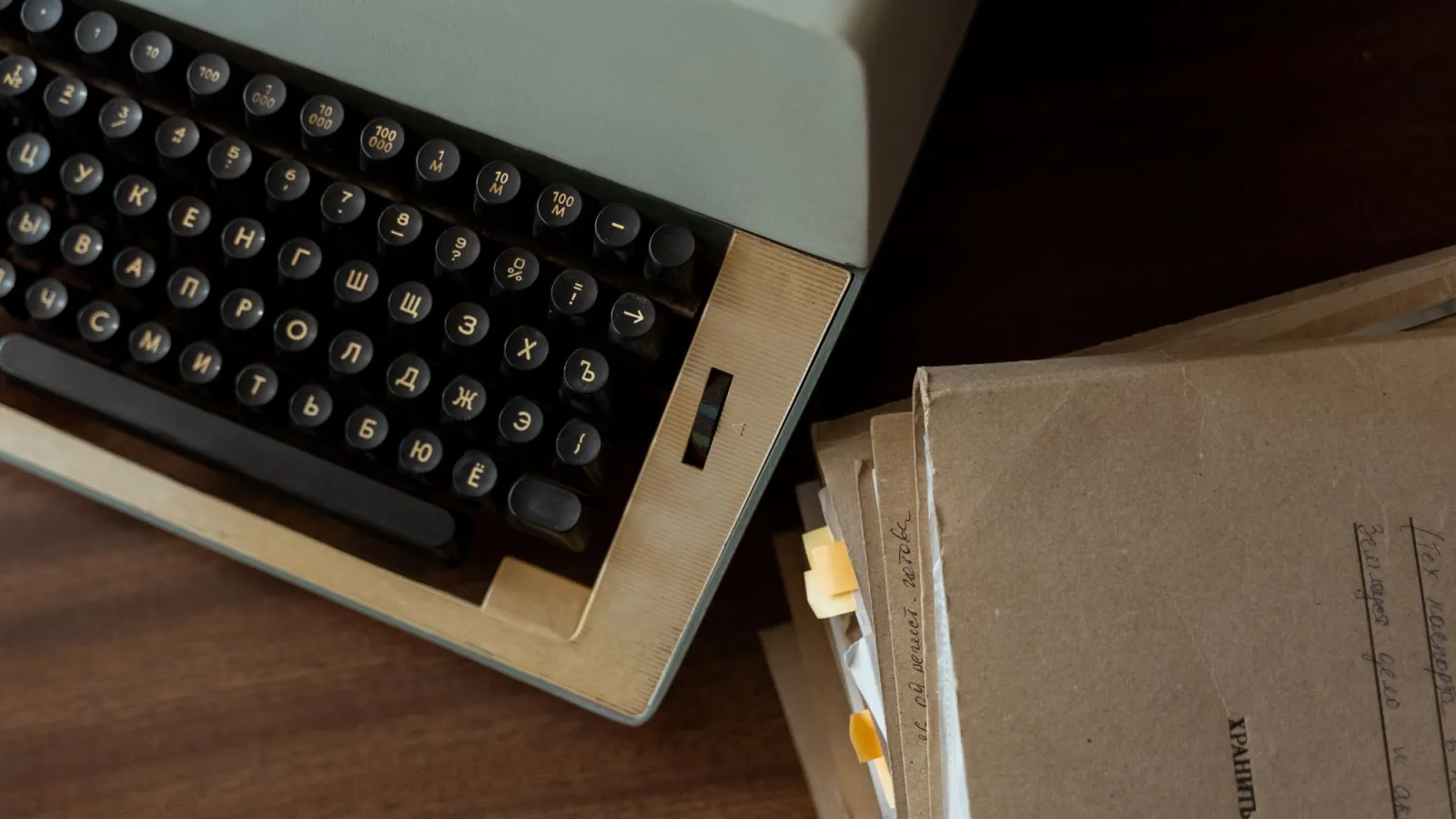
Read the letter carefully and identify the exact reason it gives. Check whether it refers to a specific policy provision, a statement from a driver or witness, a police report, or missing documentation. If the explanation is vague, ask the adjuster to clarify the basis for the decision in writing. Keep notes of calls, including dates, names, and what was said, and save copies of letters and emails.
The circumstances of the collision matter. For example, a rear-end crash can involve disputes about vehicle movement, timing, or the evidence available, even when the sequence seems straightforward to you. Learn about common issues in Rear-End Collisions, but do not assume the label of a crash alone determines responsibility.
What should I do after receiving a denial letter?
Start by preserving the letter, understanding the stated reason, and organizing the information that may address it. Responding in an orderly way can help you identify whether the insurer misunderstood a fact, needs more documentation, or is relying on a coverage issue that may require a different approach.

Use these steps to get a clearer picture of the denial:
- Save the complete letter and note when you received it. Keep the envelope or email if it shows how or when it was sent.
- Write down the reason for denial and any policy language, evidence, or missing information the insurer identifies.
- Collect relevant records, such as photographs, repair estimates, medical records related to the crash, witness contact details, and the crash report if you have it.
- Ask the adjuster what information was considered and whether the insurer will review additional documents. Keep the request factual and retain your correspondence.
- Track any response dates or other deadlines mentioned in the letter, your policy, or official notices, and confirm what they apply to.
How can I respond if the insurer says I caused the crash?
If the insurer disputes fault, compare its account with the evidence you have and point out specific factual differences. A clear, organized response may help the adjuster understand your version, but the insurer may still disagree. Avoid guessing about details you do not remember; distinguish what you saw from what you believe happened.

Preserve original photographs and videos, and make a list of potential witnesses while their contact details are available. Keep repair documents and relevant medical records, but share only information connected to the claim and consider how private or sensitive material may be handled. If a report contains an error, ask the agency that prepared it whether it has a process for adding or correcting information; the report may not be changed just because you disagree.
A crash involving a young driver can raise questions about who was driving, vehicle ownership, and which policy applies. If that describes your situation, see Teen Driver Accidents for related considerations. Keep your account consistent across communications and ask the insurer to identify the evidence behind its fault decision.
Could my own insurance help after the denial?
Your own insurer may be able to review the loss if your policy includes coverage that applies to the crash. Depending on your policy, that could include collision coverage or coverage for an accident involving an uninsured or underinsured driver. Whether a particular benefit applies depends on the policy language, the facts, and any conditions that must be met.

Read your policy documents and contact your insurer to ask what coverage may apply, what information it needs, and how a claim could affect your deductible or other policy terms. Give accurate information and keep copies of what you submit. If you have already opened a claim, ask for a clear explanation of its status and any next steps.
Using your own coverage is not the same as accepting the other insurer’s denial. Your insurer can explain its process and whether it may seek repayment from another party or insurer, but you should not assume that will happen. You can also explore general information about Car Accidents and the types of insurance questions that may follow a collision.
When may I want help reviewing the denial?
You may want help reviewing a denial if the reason is unclear, the insurer’s account conflicts with evidence you have, the claimed losses are substantial, or you are unsure what deadlines or policy terms apply. A qualified professional can review the letter and related documents, explain possible routes, and identify questions that remain unresolved. That review cannot require an insurer to change its position.

Before seeking a review, organize the denial letter, any policy documents you can access, claim correspondence, photographs, reports, repair records, and relevant medical information. Make a short timeline of the crash and key communications. Keep the originals and share copies when possible. If an insurer asks for a recorded statement or a release, take time to understand what it covers and what effect it may have before responding.
If you are considering professional help, ask what the review includes, how fees work, and whether the person has experience with insurance disputes involving vehicle crashes. You can request a Consultation to discuss the denial letter, an insurance offer, or a deadline concern. Bring the documents you have and ask what additional information may be useful.
How can state rules affect a denied auto claim?
State rules can affect how fault is assessed, what damages may be available, whether damage caps apply, and what notice requirements or deadlines govern a claim. Your insurance policy may also have its own requirements, so the denial letter and policy documents both matter.
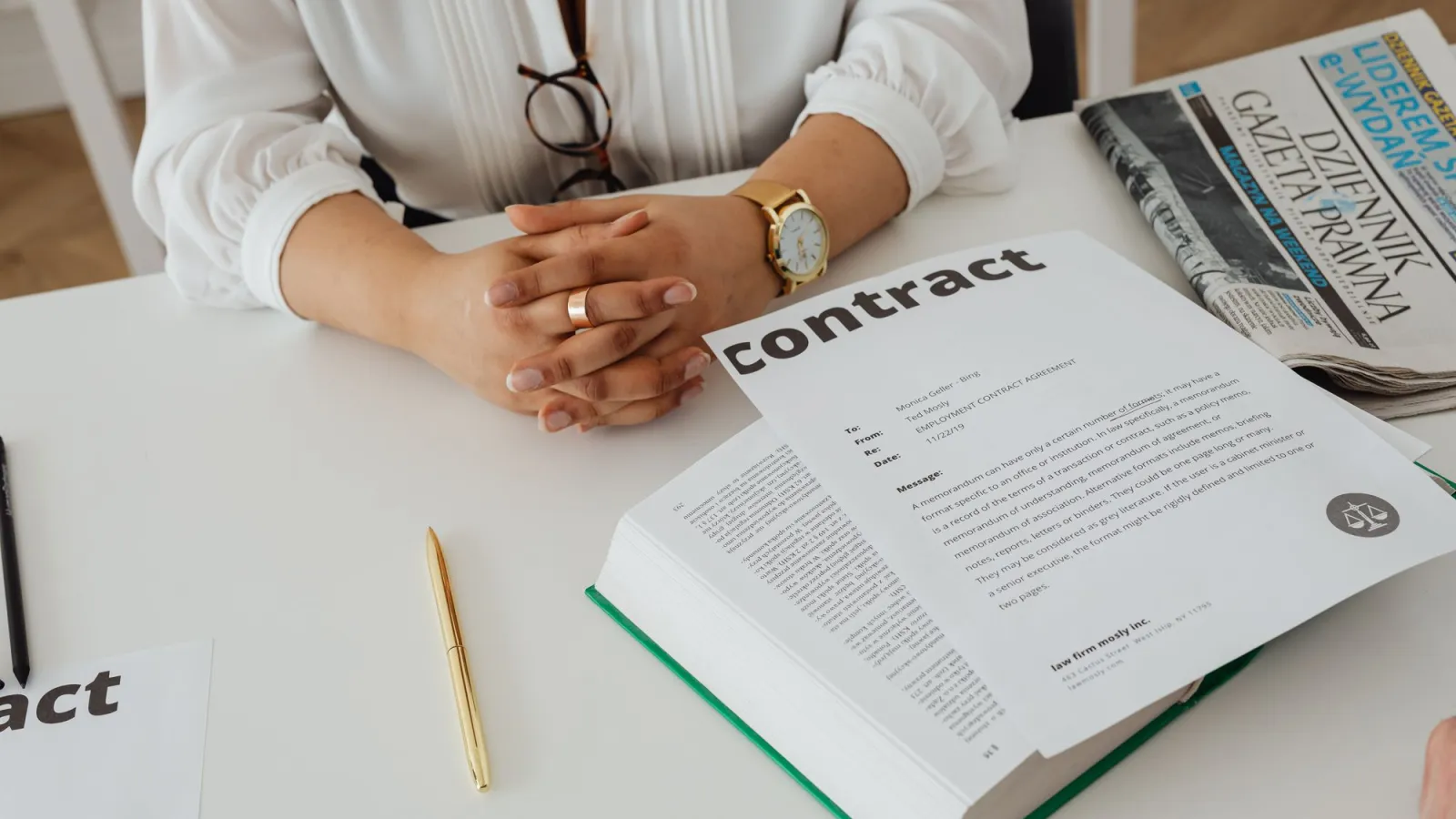
Because these rules differ, do not assume a deadline or fault rule from another state applies to you. Check the rules for the place where the crash occurred and the terms of your policy, and promptly confirm any deadline that may affect your claim.
Frequently Asked Questions
Does a denial letter mean the insurer will not reconsider?
Not always. You can ask the insurer whether it will review additional information and what materials it needs. The insurer may maintain its decision after reviewing them.
Can I ask the insurer for the evidence behind its decision?
You can ask the adjuster to explain the decision and identify the information considered. What the insurer can or will provide may depend on the circumstances, policy terms, and applicable rules.
Should I sign a release from the other driver’s insurer?
A release can affect what claims you may pursue, so read it carefully before signing. If you do not understand its scope or effect, consider getting professional guidance first.
What if I already gave the insurer a statement?
Keep a record of what you provided and when. If you think an important fact was misstated or left out, ask how to submit a clarification and keep a copy of it.
Can I pursue a claim if the other driver’s policy does not cover the crash?
The answer depends on the facts, applicable rules, and any other available insurance coverage. Your own insurer can explain whether your policy may apply, and a professional review can help identify questions to investigate.
Next Steps
You can request a free case evaluation to discuss the denial letter, review an insurance offer, or check a potential deadline. Bring the letter and any related claim records so the reviewer can understand what the insurer said and what questions remain. Have an attorney review your insurance offer

Related Blog

Colorado Motorcycle Crash: Does Lane Filtering Make Me at Fault?
Lane filtering alone does not decide fault after a Colorado motorcycle crash. The circumstances, applicable rules, evidence, and Colorado’s comparative-fault system all matter.

Hit by a Drunk Driver in Ohio: Can I Sue the Bar?
A bar is not automatically liable when a customer drives drunk. Whether you can bring a claim depends on the facts, evidence, and Ohio law.

Can I Sue the Other Driver in Florida, or Am I Stuck With PIP?
PIP may cover some losses after a Florida crash, but it does not automatically prevent a claim against another driver. The facts, available evidence, and Florida’s fault rules matter.
