

In this blog
- What records can help prove missed DoorDash income?
- How do you calculate lost income from delivery work?
- How can you show the crash kept you from delivering?
- What should you send when an insurer asks about your earnings?
- What if your DoorDash earnings changed from week to week?
- How can state law affect a lost-income claim?
- Frequently Asked Questions
- Next Steps
“I drive for DoorDash, and a crash kept me off the road for two weeks. How do I prove what I lost?” Gather your delivery-app earnings history, bank deposits, tax records, and evidence showing why you could not work. Explain how you estimated the missed income, account for relevant expenses, and keep copies of everything you send the insurer.
Key Facts
- Records from before the crash can help establish your usual earnings pattern.
- App summaries, bank deposits, and tax documents may support different parts of your estimate.
- Gross delivery revenue is not necessarily the same as take-home income.
- Medical records may help explain why you could not drive or complete deliveries.
- State law can affect which losses may be recovered and how a claim is handled.
What records can help prove missed DoorDash income?
DoorDash earnings records, bank statements, and tax documents can help show what you earned before the crash and what changed afterward. Save available earnings summaries, order histories, payout details, and account screenshots. Keep original files when possible, and note when you saved them.
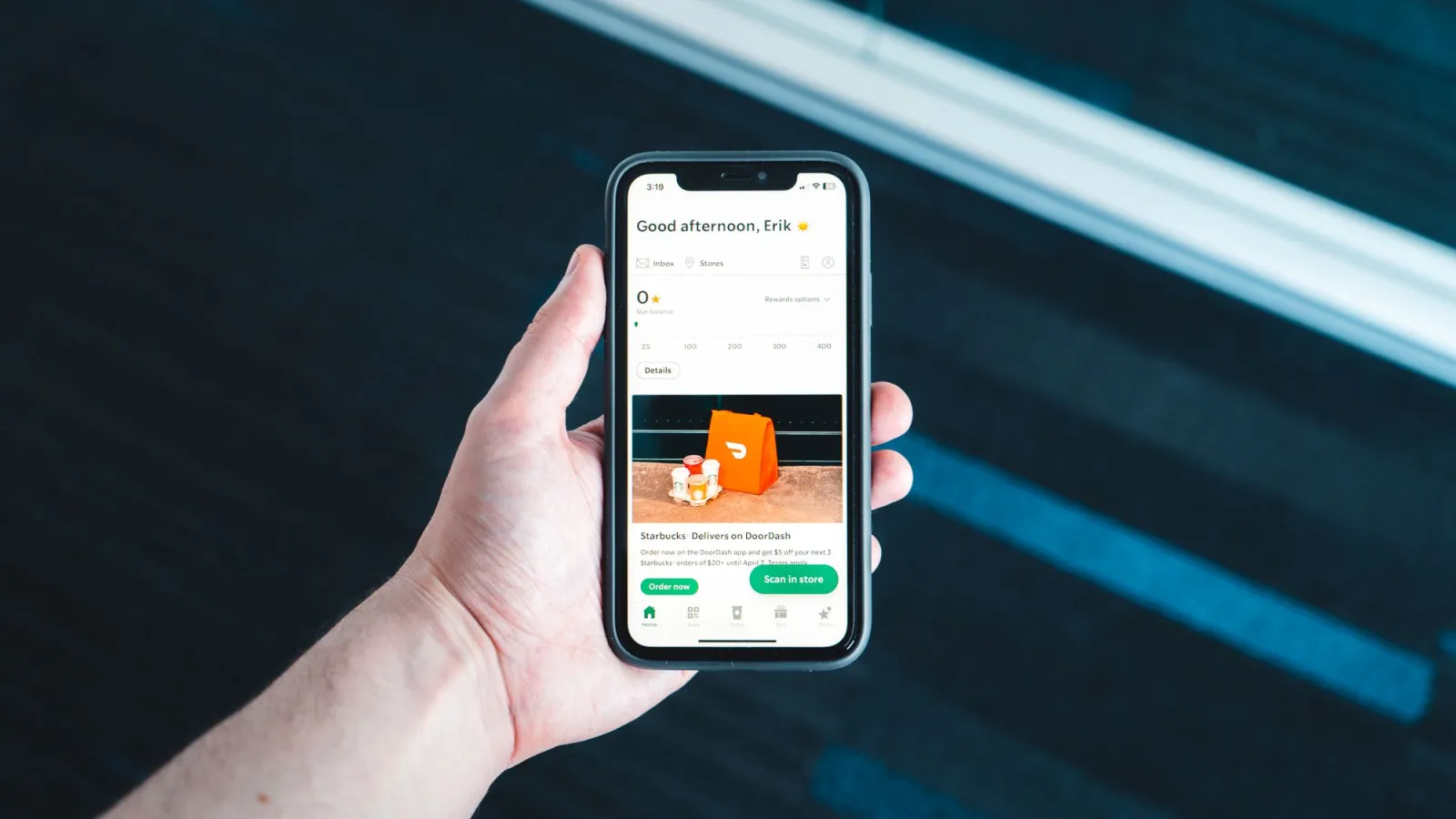
Use multiple records when available. A bank deposit may confirm a payout arrived, while an app summary may show the delivery activity behind it. Tax documents can provide a broader view, but may not reflect recent changes in your work pattern. Do not assume one document proves every part of your estimate.
Preserve records about the crash and recovery, too. Photos, a collision report if one exists, medical records, and relevant work messages may help explain what happened and why you missed work. If the crash involved a rear-end collision, keep records describing the collision, but do not assume the type of crash alone proves your income loss.
- DoorDash earnings and payout histories
- Bank statements and tax records
- Mileage or expense records, if available
- Medical documents and relevant work communications
How do you calculate lost income from delivery work?
Estimate what you likely would have earned during the time you could not work, and explain the records and assumptions behind the estimate. Delivery earnings can change with demand, hours, location, and your schedule, so one unusually strong day may not show your ordinary pattern. A broader record of your work may provide more context.
Compare relevant periods before the crash with the time you missed, considering the days and hours you typically delivered. Separate gross amounts shown in the app from expenses that would normally reduce what you keep, such as work-related vehicle costs. The appropriate calculation depends on the evidence and applicable law, so do not present a rough guess as a final figure.
Write down how you reached your estimate and keep the supporting documents together. If you had another source of income, distinguish it from delivery earnings. If you returned to work but completed fewer deliveries or hours, record that change as well.
- Use a representative earnings period, not just a peak day.
- Explain the hours or work pattern used in the estimate.
- Identify expenses that affect net income.
- Tie your calculation to documents that support it.
How can you show the crash kept you from delivering?
Connect the crash, your limitations, and the missed work with records created during your recovery. Medical notes may describe symptoms, treatment, or restrictions that affected driving or delivery tasks. A written timeline can add practical details, including when you stopped working and when you tried to return.

Keep your timeline factual and consistent with your records. Note the days you missed work, any planned delivery periods, appointments, and attempts to resume driving. If you chose your own hours rather than working fixed shifts, use your app history to explain your usual pattern. Do not describe a shift as confirmed if it was not.
A claim involving car accidents can raise questions beyond lost income, including how the collision happened and who may be responsible. Medical records may support an inability to work, but they do not by themselves establish who caused the crash. Save messages with the platform or insurer that relate to your work status.
What should you send when an insurer asks about your earnings?
Send an organized explanation with records rather than an unsupported number. Group documents by type and summarize your work pattern before the crash, the time you missed, and how you estimated the loss. Keep a copy of each document and note when and how you sent it.

Read the insurer’s request carefully and ask for clarification if you do not understand which records or period it means. If a record is missing, explain what you have and whether another document may help confirm the information. Before sharing sensitive account details, understand what is requested and how it relates to the claim.
An insurer may ask whether your earnings were consistent, whether the missed time related to the crash, or whether your calculation accounts for expenses. A calm, document-based response can address those questions without overstating what the records show. If you receive an offer, check whether it addresses the income loss you documented and what claims a proposed release would cover.
- Organize app, bank, tax, and medical records.
- Summarize your calculation and missed work.
- Keep copies of your submission and the insurer’s response.
What if your DoorDash earnings changed from week to week?
Fluctuating earnings do not automatically make a loss impossible to explain, but they can make your comparison period important. Use records that reflect your actual work pattern, including the days and hours you commonly delivered. If your activity changed recently or you had just started driving, explain that context rather than relying on an unrepresentative period.

Identify records that help explain changes in earnings, such as different delivery hours or a gap in account activity. Distinguish a break you chose from time you could not work because of the crash, and avoid counting the same loss twice. If records conflict, describe the difference and why one source may be more complete.
A careful estimate is more useful than an unsupported high figure. If your earnings history is limited, include what you have and explain what it can and cannot show. The evidence, fault issues, and state law may affect a claim. You can read about collision issues involving head-on collisions while keeping income documentation separate from evidence about how the crash happened.
How can state law affect a lost-income claim?
State law can affect whether and how lost income may be recovered, how fault is assessed, and what deadlines or notice requirements apply. Damage limits and other claim rules may also vary. The details depend on where the crash happened and the circumstances.

Keep your income records and crash documentation organized while you confirm which rules apply. Do not assume the insurer’s timeline is the only deadline that matters; separate legal or notice requirements may exist. A local legal professional can explain how applicable rules may affect your claim.
Frequently Asked Questions
Can DoorDash app records alone prove my lost income?
App records can show delivery activity and payouts, but may not explain expenses, bank deposits, or why you could not work. Supporting them with other available records can give a fuller picture. Keep your estimate consistent with the documents you provide.
Should I use gross DoorDash earnings or take-home income?
Gross revenue and take-home income differ because work-related expenses may affect what you keep. Show how you treated relevant expenses and preserve supporting records. The appropriate method can depend on the claim and state law.
What if I did not have scheduled DoorDash shifts?
You can use available app history, earnings records, and other documents to describe your usual delivery pattern. Explain that you chose your hours, and do not claim a confirmed shift if none existed. The evidence may help assess what work you likely would have done.
Can I claim income loss if I returned to deliveries before fully recovering?
You may be able to document continuing loss if the evidence shows crash-related limits, such as reduced hours or fewer deliveries. Track your activity and earnings after returning, and explain how they differ from your usual pattern. Whether a particular loss is recoverable depends on the facts and applicable law.
What if I no longer have access to older app records?
Look for copies in email, bank statements, tax files, or downloaded account records. You can ask the platform whether it can provide relevant history, without assuming it will retain or produce particular information. Keep a note of your request and any response.
Next Steps
If an insurer is asking for earnings records or you have received an offer, request a free case evaluation to discuss your documentation and possible next steps. You can also ask about an offer review or a deadline check through a consultation.

Related Blog

Colorado Motorcycle Crash: Does Lane Filtering Make Me at Fault?
Lane filtering alone does not decide fault after a Colorado motorcycle crash. The circumstances, applicable rules, evidence, and Colorado’s comparative-fault system all matter.

Hit by a Drunk Driver in Ohio: Can I Sue the Bar?
A bar is not automatically liable when a customer drives drunk. Whether you can bring a claim depends on the facts, evidence, and Ohio law.

Can I Sue the Other Driver in Florida, or Am I Stuck With PIP?
PIP may cover some losses after a Florida crash, but it does not automatically prevent a claim against another driver. The facts, available evidence, and Florida’s fault rules matter.
