


In this blog
- What should I do before responding to a low offer?
- How can I tell whether the offer accounts for my losses?
- What evidence can help support a response?
- How do I respond to the adjuster?
- What should I check before accepting a settlement?
- How can state law affect a whiplash claim?
- Frequently Asked Questions
- Next Steps
“The insurer offered less than I expected, and I’m still dealing with neck pain,” you might say after a crash. Before accepting, review what the offer covers, compare it with your documented losses, and check whether it requires a release. You can ask the adjuster to explain the amount and respond with supporting information.
Key Facts
- An initial offer is not automatically a final offer.
- A signed release may end your ability to seek more compensation for the claim.
- Medical records and expense documentation can help explain your position.
- Fault rules and claim deadlines depend on state law.
- You can ask the insurer to explain how it calculated its offer.
What should I do before responding to a low offer?
Before responding, pause and review the offer rather than accepting it during a phone call. An adjuster’s proposal may not account for every loss, and you can ask for the offer and its terms in writing. If you are handling a Car Accidents claim, keep copies of all messages, letters, and forms you receive.

Check whether the offer would resolve your entire injury claim or only a specific part of it. Pay close attention to any release or settlement agreement, which may limit or end further claims related to the crash once signed. If a term is unclear, ask the insurer to explain it in writing before deciding.
Keep communication calm and factual. You do not need to make an immediate decision just because an adjuster asks for a response. Record who contacted you, what was said, and any response date stated in the insurer’s letter.
- Save the offer and accompanying documents.
- Ask how the insurer calculated the amount.
- Do not sign a release until you understand its effect.
How can I tell whether the offer accounts for my losses?
Assess an offer by comparing it with the losses you can document, not only with the amount you hoped to receive. Review medical bills, treatment records, pharmacy receipts, and records showing missed work or changed duties. Consider whether you have ongoing symptoms or recommended follow-up care that the offer may not reflect.

Whiplash symptoms and recovery can vary, so it may be difficult to evaluate a claim while your condition is changing. Do not assume future treatment will be covered or that a particular amount is appropriate. Identify what is known, what remains uncertain, and which records support each point.
Look for gaps or errors in the insurer’s calculation. The explanation may omit a bill, rely on incomplete treatment information, or dispute whether an expense relates to the crash. Ask the adjuster what information it considered and why it reduced or excluded any item.
- Medical care received and related expenses
- Documented time away from work or changed duties
- Continuing symptoms and recommended follow-up
- Losses the insurer has omitted or disputed
What evidence can help support a response?
Relevant records can make your response clearer by connecting your symptoms and losses to the collision. Gather medical records, bills, work records, and receipts related to your claim. Keep copies in an organized file, and note when you sent each document to the insurer.
If the crash involved a rear impact, records about the collision may help explain what happened, but the type of crash alone does not establish fault or prove the full extent of an injury. You can read about issues that may arise in Rear-End Collisions.
Be accurate and consistent when describing symptoms and limitations. A simple log of how symptoms affect ordinary activities may help you explain your experience, but it should reflect what actually happened. Avoid exaggerating, guessing, or sending unrelated private information when the insurer has not explained why it needs it.
- Group records by medical care, work impact, and other expenses.
- List documents the insurer may not have received.
- Keep a copy of every item you submit.
How do I respond to the adjuster?
Respond in writing with a clear explanation of why you believe the offer does not account for your documented claim. You can ask the adjuster to review specific records, correct an omission, or explain a disputed item. Keep the tone professional and focus on facts rather than unsupported demands.

Identify the offer, the parts you disagree with, and the documents that support your position. If a record or expense total is not yet available, explain what information is pending instead of estimating. Ask the insurer to confirm receipt of your materials and say whether it needs anything specific to evaluate them.
Keep a copy of your response and note how and when you sent it. If you discuss the claim by phone, follow up in writing with a short summary of important points. Do not treat a verbal discussion as a final agreement; review any written settlement terms before signing.
- Explain that you are reviewing the offer and have not accepted it.
- Describe disputed or missing items and identify supporting records.
- Ask for a written response and save the correspondence.
What should I check before accepting a settlement?
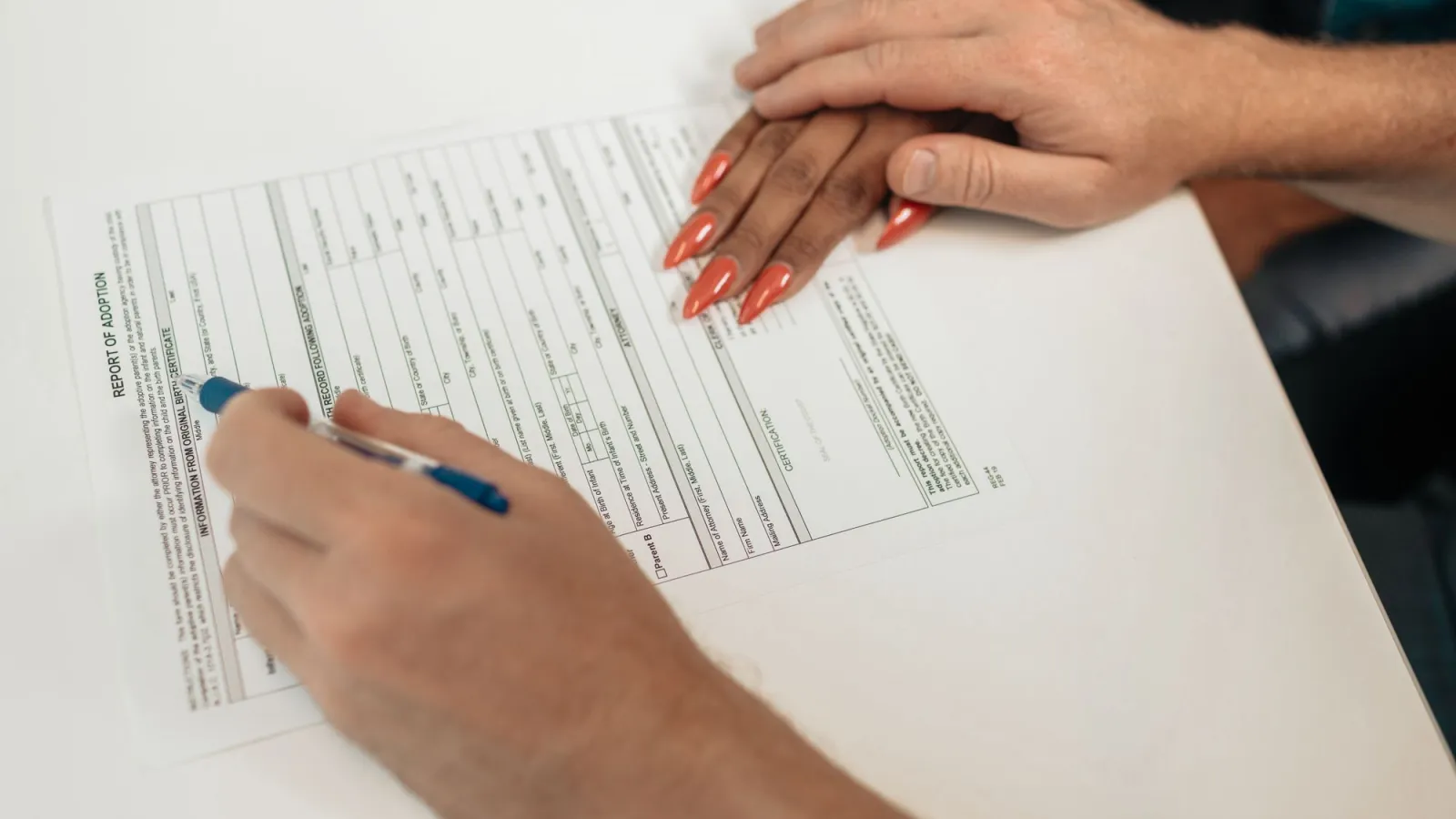
Before accepting, confirm what claims and losses the settlement covers and what rights you would give up by signing. A release may close the injury claim even if symptoms continue or additional expenses arise later. Read the complete document, not only the payment figure or the adjuster’s summary.

Check whether the paperwork includes terms beyond releasing the claim, such as confidentiality or payment instructions. Ask about language you do not understand and request time to review revised documents. The consequences depend on the agreement and applicable law, so do not rely only on an informal explanation.
Consider whether you have enough information to evaluate your condition and losses. Ongoing treatment, missing records, or unexplained reductions are issues to address before making a final decision. For help understanding the offer and identifying questions about the agreement or claim deadlines, you can request a Consultation. A review can explain issues to consider, but no one can determine an outcome from the offer alone.
- What claims are being released?
- Does the agreement cover future or continuing injury-related losses?
- Are the payment terms and other conditions clear?
- Have you reviewed the full written agreement?
How can state law affect a whiplash claim?
State law can affect how a whiplash claim is evaluated and how long you have to take certain actions. Fault rules may influence whether and how responsibility affects recovery, while damage caps or special notice requirements may apply in some situations. The rules can differ based on the people involved and the circumstances of the crash.

No single deadline or rule applies nationwide, so do not rely on a general article to determine the dates for your claim. Check which law applies to the location and circumstances of the collision, and whether any insurer or government notice requirements are relevant. A local legal professional can help identify rules that may apply to your situation.
Frequently Asked Questions
Can whiplash symptoms change after a crash?
Symptoms can vary from person to person and may change over time. Keep track of what you experience and discuss symptoms with a qualified medical professional. Accurate records can also help explain the course of your injury claim.
Does the insurer have to explain its offer?
You can ask the adjuster to explain how the offer was calculated and what information it considered. The insurer’s response and obligations may depend on the policy and applicable law. A written explanation can help you identify disputed or missing items.
Can I negotiate without hiring a lawyer?
You can communicate with the insurer yourself, organize supporting documents, and ask questions about the offer. A legal professional may help explain a release, disputed fault, or state-specific rules. Whether to seek help depends on your circumstances.
Can I reopen my claim after signing a release?
A signed release may prevent you from pursuing additional payment for claims covered by the agreement. Whether it can be challenged depends on the document and applicable law. Review the full release before signing rather than assuming you can reopen the matter later.
Next Steps
Gather your offer, release, and supporting records, then request a free case evaluation to discuss the terms and check for potential deadline concerns. A consultation can help you understand what questions to ask before responding. Have an attorney review your insurance offer
Related Guides

Related Blog

Colorado Motorcycle Crash: Does Lane Filtering Make Me at Fault?
Lane filtering alone does not decide fault after a Colorado motorcycle crash. The circumstances, applicable rules, evidence, and Colorado’s comparative-fault system all matter.

Hit by a Drunk Driver in Ohio: Can I Sue the Bar?
A bar is not automatically liable when a customer drives drunk. Whether you can bring a claim depends on the facts, evidence, and Ohio law.

Can I Sue the Other Driver in Florida, or Am I Stuck With PIP?
PIP may cover some losses after a Florida crash, but it does not automatically prevent a claim against another driver. The facts, available evidence, and Florida’s fault rules matter.
