

In this blog
- Can an adjuster look at your Instagram?
- What Instagram content might matter to a claim?
- Can an adjuster access a private Instagram account?
- What should you do about Instagram while your claim is open?
- Can Instagram posts hurt your car accident claim?
- Do state rules affect how Instagram content may be used?
- Frequently Asked Questions
- Next Steps
“I posted a photo from the weekend, and now I’m worried the adjuster will use it against me.” An adjuster can view public Instagram content and may consider it when reviewing a car accident claim. A private account does not necessarily make relevant content unreachable, but an adjuster cannot simply demand your password. What may be accessed depends on the facts and applicable rules.
Key Facts
- Public Instagram posts may be visible to an adjuster.
- A post can be taken out of context or interpreted differently than you intended.
- Making an account private does not erase posts already seen or saved by others.
- Do not delete or alter potentially relevant content without getting guidance.
- An adjuster’s request for information is not the same as a court order.
Can an adjuster look at your Instagram?
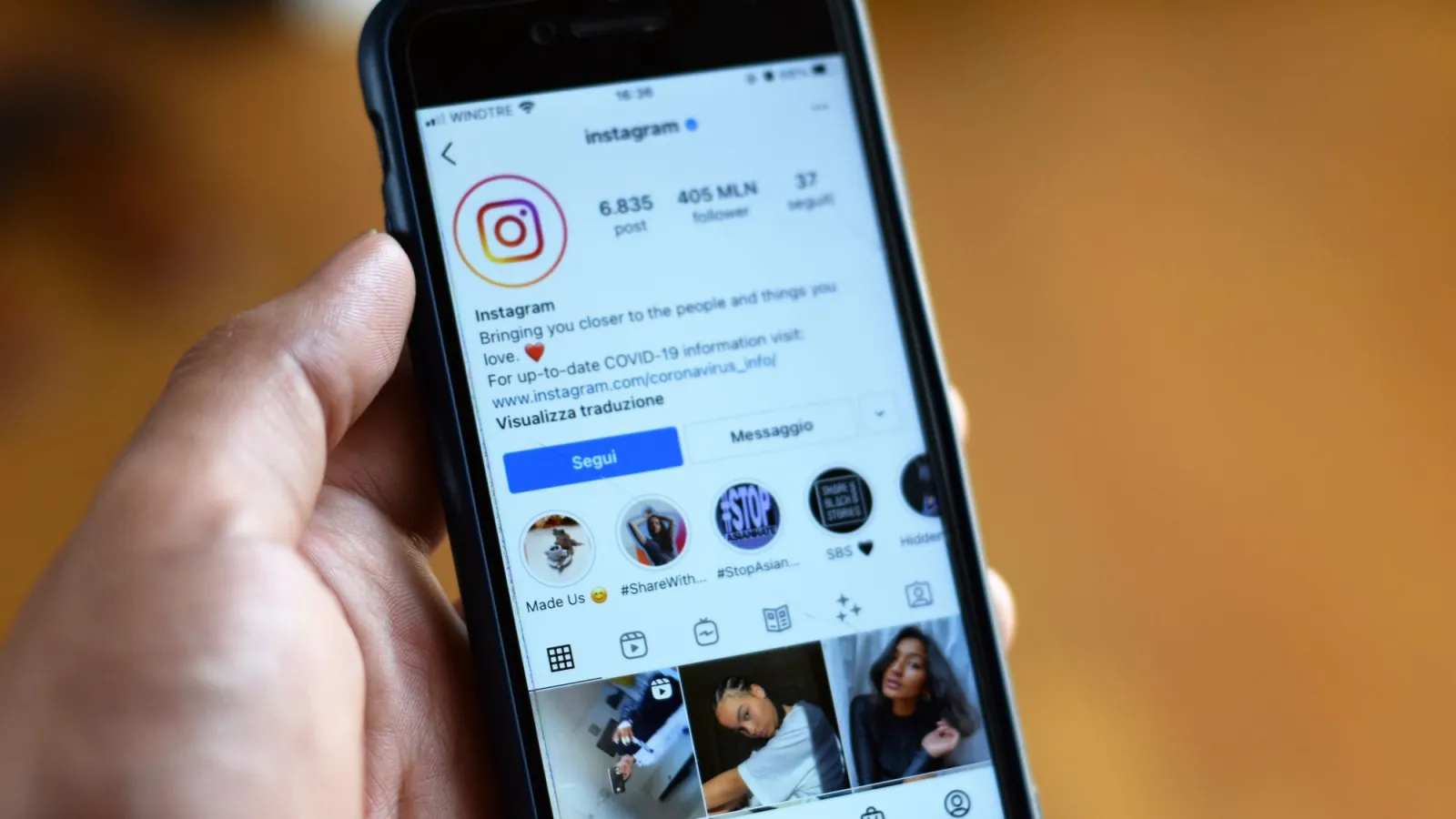
Yes—an adjuster can view Instagram content that is publicly available and may use relevant material while evaluating your car accident claim. That can include posts, captions, comments, photos, videos, and information visible on a public profile. Online content can be saved or shared, so it may remain available even if you later change your settings.

An adjuster may look for information that relates to your reported injuries, daily activities, or account of the crash. For example, a photo showing you at an event does not, by itself, establish that you are uninjured or able to do every activity. Still, an insurer may ask questions about content it believes conflicts with what you reported.
If your claim involves a car accident, treat social media as information that could be reviewed, not as a private conversation with friends. The same concern can arise in a rear-end collision or another type of crash. Avoid assuming that a post is harmless just because it seems casual.
What Instagram content might matter to a claim?
Posts that appear to relate to your injuries, physical abilities, or account of the accident may draw attention during a claim review. An adjuster could compare a post with your statements about pain, medical care, or limits on your activities. Context matters, and a single image rarely tells the whole story.

A picture of you standing, traveling, exercising, or attending an event may not show how you felt before or afterward, whether you needed help, or whether the activity increased your symptoms. A caption may also be read differently than you intended. That does not mean every post will affect your claim; relevance and surrounding facts matter.
Comments and other people’s posts can also create confusion. A friend might tag you in a picture or describe an event without knowing your symptoms or limitations. If something online seems inconsistent with your claim, do not guess at what the insurer has seen or try to explain it with more posts. Keep your account of events truthful and discuss the specific concern with a qualified representative.
Can an adjuster access a private Instagram account?
An adjuster generally cannot get into your private account just by asking for your password, but privacy settings do not make every post inaccessible in every situation. Content may already have been viewed, saved, shared, or captured by someone who could see it. A person who follows you may also show or describe a post to someone else.
During a claim, an insurer may ask you to provide information or authorize access to certain records. You do not have to treat every request as compulsory, and you can ask what information is being requested and why. If a lawsuit is filed, relevant material may be requested through formal legal procedures, subject to applicable rules and any appropriate objections.
Do not share your login details with an adjuster. If you receive a broad request for account information or a formal legal demand, get advice about the scope and response before acting. The right response can depend on what the insurer is asking for, what the claim involves, and the rules that apply.
What should you do about Instagram while your claim is open?
You can reduce avoidable confusion by keeping your online activity careful, truthful, and consistent with what you tell your medical providers and the insurer. You do not need to create a public explanation of your injuries or your version of the crash. Avoid discussing fault, symptoms, settlement negotiations, or medical details in posts or comments.
Use these practical steps:
- Review your privacy settings, but do not assume they can erase content already seen or shared.
- Avoid posting about the crash, your injuries, treatment, activities, or claim while the matter is being handled.
- Do not delete, edit, or hide potentially relevant material to change how it appears. If you are concerned about an existing post, preserve it and ask for guidance.
- Keep copies of any message in which an adjuster asks for social-media access or content, and do not provide passwords.
Changing your settings is a privacy measure, not a way to conceal evidence. If you have questions about a request, you can seek a consultation to discuss what was requested and what response may be appropriate.
Can Instagram posts hurt your car accident claim?
Instagram content can complicate a claim if an insurer believes it conflicts with your reported injuries or other evidence, but a post does not automatically decide the claim. The insurer may consider the content alongside medical records, your account of the accident, and other information. A photo alone may not show your pain, limitations, or the circumstances surrounding the activity.

If an adjuster brings up a post, stay accurate and avoid speculating about what it proves. Explain the context honestly, including when the image was taken and what it does or does not show, if you know. Do not guess about details you cannot remember or make a new post to rebut the insurer’s interpretation.
A crash involving a head-on collision, for example, may raise questions about injuries and events that social media cannot answer by itself. Focus on preserving relevant information and responding thoughtfully to specific requests. If the issue affects an insurance offer or the direction of your claim, a legal professional can review the post and the surrounding circumstances with you.
Do state rules affect how Instagram content may be used?
Yes, rules can differ by state and by the stage of a claim. States may differ in how privacy interests, evidence requests, and formal discovery are handled, and courts may consider whether information is relevant and how it was obtained. The details can also depend on whether the claim is being negotiated or is part of a lawsuit.

Because no one rule answers every request, the circumstances matter. If an insurer asks for your account information or posts, find out what is being requested and get guidance that accounts for the rules where the claim is handled.
Frequently Asked Questions
Should I accept an Instagram follow request from an adjuster?
You do not have to accept a follow request simply because it comes from an adjuster. Avoid sharing your password or giving account access. If the adjuster makes a specific request for information, ask what is being sought and consider getting guidance before responding.
Can one photo prove that I am not injured?
A photo by itself may not show your pain, limitations, or what happened before and after the picture was taken. An insurer may still ask about it if it appears relevant. Context and the rest of the evidence matter.
Can I delete an old post after the crash?
Deleting or editing potentially relevant content can raise concerns about whether information was altered or concealed. Preserve the content and get advice before making changes if you are unsure whether it relates to your claim.
What if a friend tags me in a post about an activity?
You can ask the friend not to tag you in future posts, but do not alter or remove potentially relevant material just to affect a claim. Keep the context in mind: a tagged image may not show your symptoms or how the activity affected you.
Does changing my account to private remove older posts from view?
No. A privacy change may limit who can see your profile going forward, but it cannot undo views, screenshots, or shares that already occurred. It also does not necessarily prevent relevant content from being requested through formal legal procedures.
Next Steps
If an adjuster has raised questions about your Instagram or made an offer, request a free case evaluation to discuss the request and your options. You can also ask for a review of the offer or a check on deadlines that may apply to your claim. Have an attorney review your insurance offer

Related Blog
Colorado Motorcycle Crash: Does Lane Filtering Make Me at Fault?
Lane filtering alone does not decide fault after a Colorado motorcycle crash. The circumstances, applicable rules, evidence, and Colorado’s comparative-fault system all matter.
Hit by a Drunk Driver in Ohio: Can I Sue the Bar?
A bar is not automatically liable when a customer drives drunk. Whether you can bring a claim depends on the facts, evidence, and Ohio law.
Can I Sue the Other Driver in Florida, or Am I Stuck With PIP?
PIP may cover some losses after a Florida crash, but it does not automatically prevent a claim against another driver. The facts, available evidence, and Florida’s fault rules matter.
