

In this blog
- When can your own UM coverage apply after a hit-and-run?
- What evidence can help support a hit-and-run claim?
- How do you report and make a UM claim?
- What can your insurer investigate or ask you to do?
- What if you do not have UM coverage for the loss?
- Which state rules can affect a hit-and-run UM claim?
- Frequently Asked Questions
- Next Steps
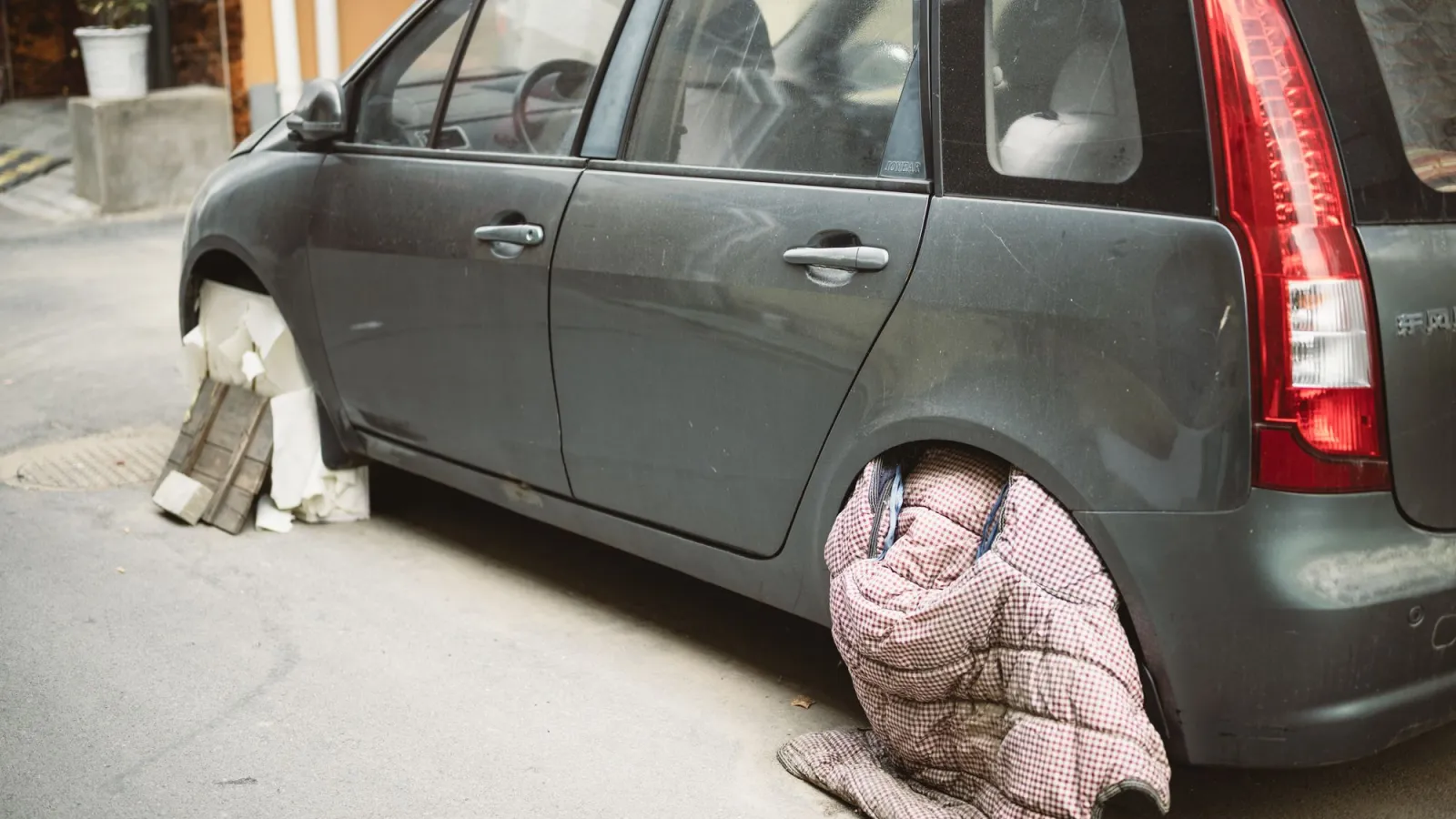
“The driver hit my car and left. Can I use my own insurance?” Often, yes: your uninsured motorist (UM) coverage may apply if your policy and state rules treat the unidentified driver as uninsured. Coverage is not automatic, so report the crash promptly, preserve evidence, and check your policy’s notice and proof requirements.
Key Facts
- UM coverage may apply when the driver who caused a crash cannot be identified.
- Your policy may cover injuries, vehicle damage, or both, depending on its terms and state rules.
- Some policies or state laws require specific evidence to support a hit-and-run claim.
- Prompt notice and cooperation can help avoid disputes about policy conditions.
- Collision coverage may be another option for vehicle damage.
When can your own UM coverage apply after a hit-and-run?
Your own UM coverage may apply when an unidentified driver caused the crash and your policy and state law recognize that situation as an uninsured-motorist claim. The details depend on your coverage: some policies include bodily-injury UM, property-damage UM, or both. Check your declarations page and policy language to see what you purchased.
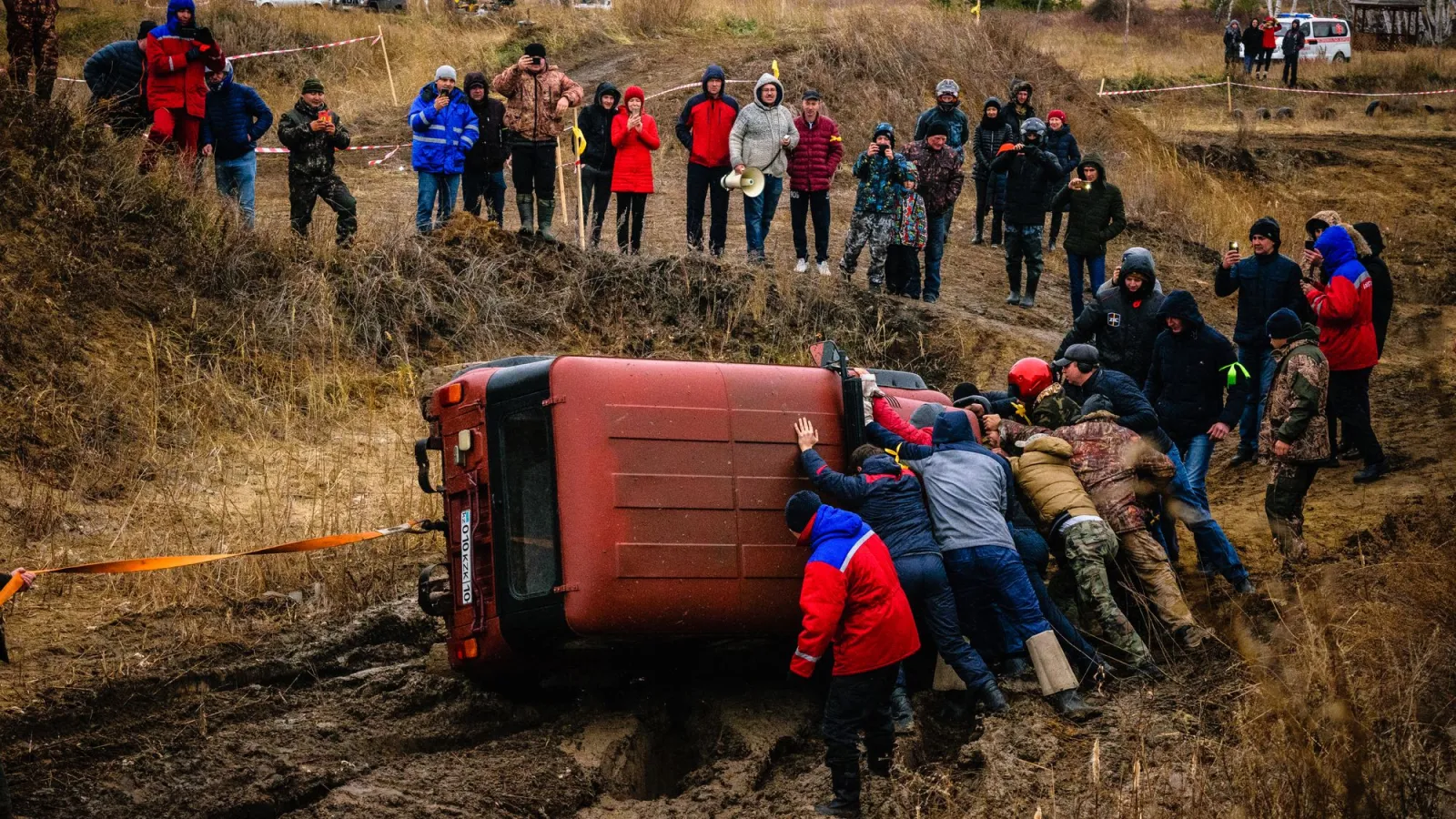
A hit-and-run does not automatically establish that the other driver was responsible or that your insurer must pay. The insurer may investigate how the collision happened, whether the unknown driver caused it, and whether the claim meets policy conditions. Some laws or policies also require particular evidence, such as independent confirmation of the crash or contact between vehicles.
UM coverage is separate from a claim against the at-fault driver. Because the driver is unknown, your own insurer may handle the claim under your policy, subject to its investigation and applicable rules. See Uninsured Motorist Accidents for more information about this coverage.
What evidence can help support a hit-and-run claim?
Evidence documenting the crash, the other vehicle’s departure, and your injuries or damage can help your insurer evaluate a hit-and-run claim. If it is safe, record the location, time, direction of travel, vehicle description, and what you remember. Note any witnesses and keep copies of photos or videos.

Report the crash to law enforcement as soon as practical and ask how to obtain the report or incident number. Reporting requirements vary, and your insurer may have its own conditions. Do not wait for a completed report before notifying the insurer; explain that it is pending and send it when available.
Keep records related to injuries and expenses, including medical paperwork, repair estimates, and receipts. Save insurer messages and note the dates and substance of important calls. If nearby homes or businesses may have video, identify them promptly because recordings may not be kept for long. Learn more about Hit-and-Run Accidents.
How do you report and make a UM claim?
To make a UM claim, notify your insurer, follow the policy’s reporting instructions, and provide requested information while keeping your own copies. Your policy may set notice, cooperation, or documentation conditions. Read the relevant sections and ask the insurer to explain any requirement you do not understand.

Use an organized process to keep track of the claim:
Tell the insurer the other driver left without providing identifying information, and give a clear account of the crash.
Ask which coverage is being considered, what documents are needed, and whether the insurer requires a police report or other proof.
Send available records, keep copies, and note when and how you provided them.
Log calls, claim updates, document requests, and any stated response deadlines.
Answer questions truthfully and consistently. If you do not know or remember something, say so rather than guessing. You can ask for important requests or explanations in writing. Follow up if a report, estimate, or medical record is still being prepared, and tell the adjuster what remains outstanding.
What can your insurer investigate or ask you to do?
Your insurer can investigate whether the crash falls within your coverage and what losses the policy may cover. The adjuster may request a statement, inspect your vehicle, review photos and reports, or ask for medical and repair records. The insurer may also consider whether you met policy conditions, such as reporting the incident and cooperating with the investigation.

Before providing a statement, make sure you understand the questions and answer based on what you know. Avoid speculation about the other vehicle, the collision, or your injuries. If a question is unclear, ask for an explanation. You can also ask how information will be used and request copies of documents you submit.
A coverage decision may depend on the policy wording and evidence. If the insurer denies coverage, limits the claim, or makes an offer, ask for its reasons and the policy provisions it relied on in writing. Compare any offer with your documented losses and outstanding expenses. Disagreements can arise about fault, proof, coverage, or the amount of loss.
What if you do not have UM coverage for the loss?
If UM does not cover the loss, another coverage may be available depending on what you bought and the type of damage. Collision coverage may help with vehicle damage after a crash, subject to its terms and any deductible. Medical payments or personal injury protection may help with certain injury-related costs where included in your policy and available under state rules.
Ask the insurer which coverages it is reviewing and what conditions apply. A denial under one coverage does not necessarily resolve whether another part of your policy applies. If the unknown driver is later identified, that may also affect how responsibility and potential claims are evaluated.
The Car Accidents information explains common insurance issues after a collision. Keep track of communications and unresolved bills while coverage is reviewed. If an offer or denial is difficult to assess, a professional review can help clarify the policy language and remaining questions. Outcomes depend on the facts, the policy, and applicable law.
Which state rules can affect a hit-and-run UM claim?
State rules can affect whether an unidentified driver qualifies as uninsured, what evidence a claimant must provide, and how a UM claim is handled. States may differ on notice rules, reporting requirements, fault standards, and which damages are covered. Policy terms can add conditions, but they must be considered alongside the law that governs the claim.
Deadlines vary and may apply to reporting the crash, notifying an insurer, filing a claim, or starting a legal action. Different deadlines can apply to different steps. Check your policy and promptly confirm the rules that apply where the crash happened; general information cannot determine whether a particular claim meets them.
Frequently Asked Questions
Does a hit-and-run claim count as a claim against my own insurance?
A UM claim is generally made through your own insurer under your policy. Whether payment is available depends on the policy, evidence, and state rules. Ask the insurer how it will evaluate the claim.
Can UM coverage pay for damage to my car?
It may, if your policy includes applicable property-damage UM coverage and the claim meets its conditions. Collision coverage may be another possibility, subject to your policy terms.
What if I did not see the other vehicle’s license plate?
Report the crash and provide the details you remember, such as the vehicle’s color, type, or direction of travel. The insurer will assess the available evidence under the policy and governing rules.
Can my insurer deny a hit-and-run UM claim?
An insurer may dispute coverage or deny a claim if it concludes that policy conditions or legal requirements were not met. Ask for the decision and its reasons in writing, including the policy language relied on.
Can I use more than one type of coverage for the same crash?
Different parts of a policy may address vehicle damage and injury-related costs. Whether multiple coverages apply depends on your policy and state rules. Ask how payments, deductibles, or overlapping coverage will be treated.
Next Steps
If you have received an insurance offer or are unsure what your policy requires, request a Consultation for a free case evaluation, offer review, or deadline check. Bring your policy, claim correspondence, and available crash records.

Related Blog

Colorado Motorcycle Crash: Does Lane Filtering Make Me at Fault?
Lane filtering alone does not decide fault after a Colorado motorcycle crash. The circumstances, applicable rules, evidence, and Colorado’s comparative-fault system all matter.

Hit by a Drunk Driver in Ohio: Can I Sue the Bar?
A bar is not automatically liable when a customer drives drunk. Whether you can bring a claim depends on the facts, evidence, and Ohio law.

Can I Sue the Other Driver in Florida, or Am I Stuck With PIP?
PIP may cover some losses after a Florida crash, but it does not automatically prevent a claim against another driver. The facts, available evidence, and Florida’s fault rules matter.
