


In this blog
- Can you settle the vehicle damage claim first?
- What should you check in a release?
- What vehicle losses should you document?
- How can you respond to pressure to settle your injury claim?
- What steps can help keep the claims separate?
- How can state law affect separate settlements?
- Frequently Asked Questions
- Next Steps
“The insurer wants to pay for my car now, but I’m still hurting—can I take the car payment?” Often, you can resolve vehicle damage separately from an injury claim, but only if the paperwork limits the release to property damage. Before signing, check which claims and losses it covers; a broad release could affect your ability to pursue injury compensation.
Key Facts
- Vehicle damage and injury claims may be handled separately.
- A release’s wording can determine which claims you give up.
- Repair, rental, towing, and other vehicle-related losses may need documentation.
- Accepting a property damage payment does not automatically mean an injury claim is preserved.
- State rules and insurance procedures can differ.
Can you settle the vehicle damage claim first?
Yes, you can often resolve the vehicle damage portion of a car accident claim before resolving your injury claim. The claims may involve different evidence: repair estimates, photographs, and vehicle inspections for property damage, and medical records and other injury evidence for bodily harm.
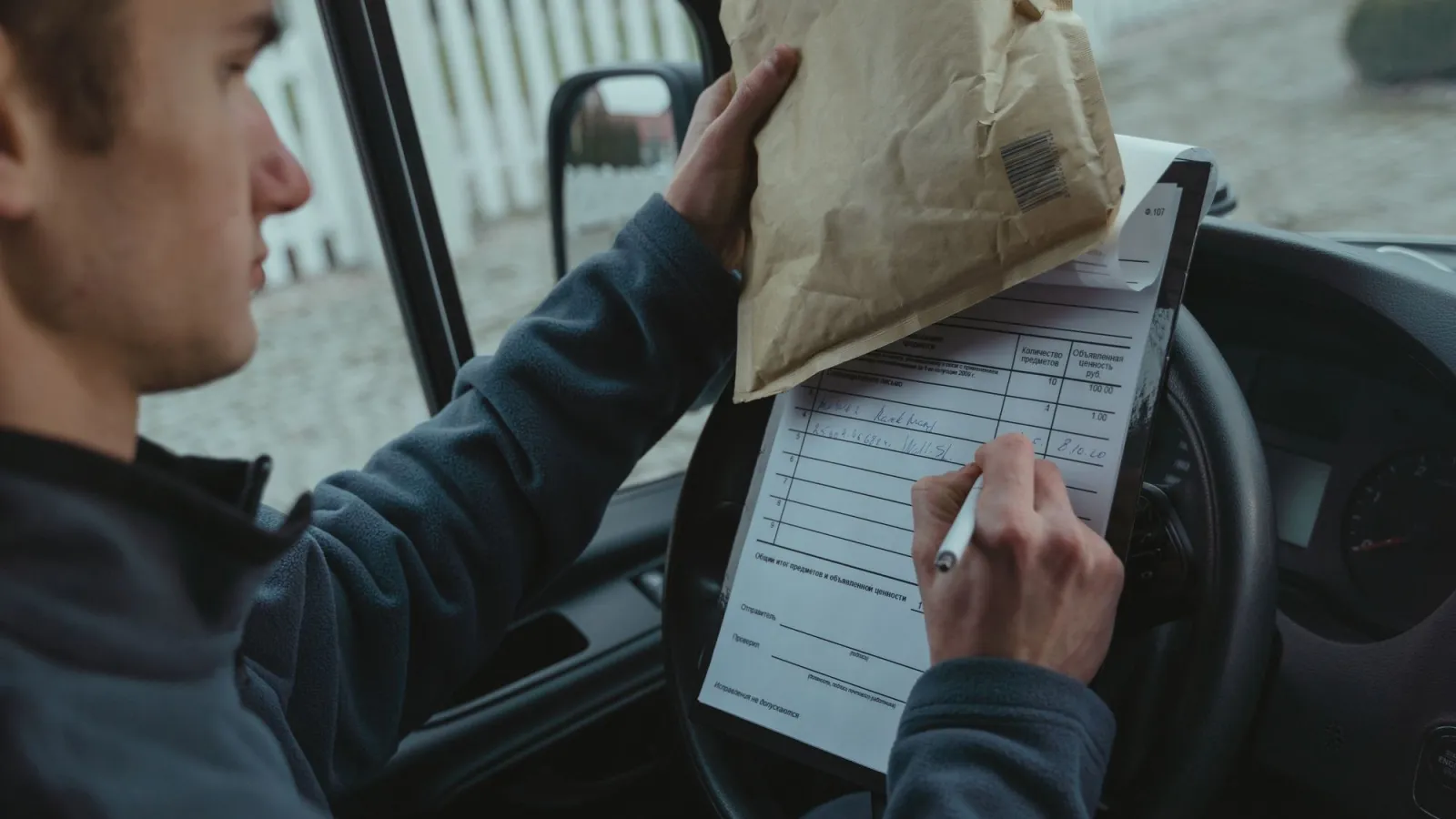
Separate handling can help you address practical needs, such as getting a damaged car repaired or arranging transportation, while your injuries are still being evaluated. An insurer may make a vehicle damage offer before it is ready to discuss an injury claim.
Keep in mind that an offer is not the same as a completed settlement. Whether you can accept it without affecting the injury claim depends on the documents you sign, the insurer’s process, and applicable law. People involved in a rear-end collision or a head-on collision may face the same paperwork question.
Ask the insurer to confirm in writing that the payment and any release apply only to property damage. Keep a copy of that confirmation and every document you sign.
What should you check in a release?
Check whether the release is limited to damage to your vehicle and related property losses, or whether it also releases injury claims. A document’s title alone may not tell you its full effect; the wording in the body and any attached terms matter.

Look for broad language covering all claims, all injuries, or all damages arising from the crash. Also check whether the release names only the vehicle damage claim or refers to the accident generally. If any wording is unclear, ask the insurer to explain it in writing and request a revised document if the intent is to settle property damage only.
Do not assume that telling an adjuster you are keeping your injury claim open changes the signed paperwork. Save emails, letters, estimates, and payment records with the release so you can see what the insurer represented and what you accepted.
A release that covers injury claims could affect your options even if you had not finished treatment or understood the full extent of your symptoms. If you are uncertain about the language, consider getting it reviewed before signing.
What vehicle losses should you document?
Document the repair and other accident-related vehicle expenses before agreeing to a property damage settlement. The amount offered may depend on the insurer’s assessment of damage, the vehicle’s value, and the specific losses you can support.

Keep repair estimates, invoices, inspection records, and photographs of the damage. If the car is declared a total loss, review the insurer’s valuation and the information it used about your vehicle’s condition and features. Ask how the insurer calculated the offer and what process is available to discuss a disagreement.
Depending on the situation and applicable coverage, you may also have expenses such as towing, storage, or a rental vehicle. Keep receipts and records showing the dates and purpose of those costs. An insurer may not include every expense automatically, so ask what documentation it needs.
Before accepting payment, confirm whether it resolves only the listed vehicle damage and expenses or also includes other property losses. If the settlement does not cover a cost you believe is part of the claim, raise that issue before signing a release or accepting terms that close the property claim.
How can you respond to pressure to settle your injury claim?
You can ask the insurer to handle the vehicle damage issue separately while you continue to assess your injuries. Make that request clearly and keep a written record of the response, especially if the adjuster presents a combined offer or release.

Injury symptoms and treatment needs may change over time, and the full impact of an injury may not be clear early in the process. An injury settlement may involve more than current medical bills, including how the injury affects work or daily activities. Avoid treating a property payment as an agreement to resolve every part of the crash claim.
If the insurer says it will issue payment only after you sign a release, ask what claims the release covers and whether it can be limited to property damage. You can also ask for time to review the document rather than signing during a call or under pressure.
For general information about injury claims after a crash, see Car Accidents. Your options depend on the facts, the policy, the documents, and the rules that apply where the collision occurred.
What steps can help keep the claims separate?
You can help keep the claims separate by making the distinction explicit in your communications and carefully reviewing every settlement document. A clear written record can reduce confusion about what a payment is meant to resolve.

Use these steps when dealing with the insurer:
- Tell the adjuster in writing that you are discussing vehicle damage only and are not agreeing to settle your injury claim.
- Ask for an itemized explanation of the property damage offer and a copy of any proposed release before you accept.
- Check that the release is limited to property damage and identifies the losses being settled.
- Save the signed documents, payment records, repair paperwork, and all related messages.
- If the document is broad or confusing, pause and seek an explanation or review before signing.
If you already signed a release, keep a copy and get advice about what it may cover. The effect can depend on the exact wording and applicable law, so do not assume that the injury claim is either preserved or closed based only on what someone said verbally.
How can state law affect separate settlements?
State law can affect how car accident claims are handled, including deadlines, fault rules, damage caps, and notice requirements. The wording and effect of a release may also depend on applicable law and the facts of your claim.

Because rules differ, do not rely on a general explanation to determine the deadline or legal effect in your situation. Review the documents and confirm which rules apply where the crash happened.
Frequently Asked Questions
Does accepting a repair payment automatically close an injury claim?
Not necessarily. The effect depends on the payment terms and any release you sign. Read the full document to see whether it addresses property damage only or other claims as well.
Can you continue treating after settling vehicle damage?
Often, resolving vehicle damage does not require you to stop medical care. Check that the property settlement paperwork does not also release injury claims, and keep records related to your treatment.
What if the insurer sends one release for the entire accident?
Ask the insurer to explain in writing what claims the release covers and whether it can be limited to vehicle damage. Consider having the wording reviewed before you sign if it is broad or unclear.
Can you reopen a claim after signing a release?
A signed release may limit your ability to pursue the claims it covers. Whether it can be challenged depends on the language, circumstances, and applicable law, so keep a copy and seek a review promptly.
Next Steps
If you have a proposed insurance offer or release, contact us for a free case evaluation and document review. We can discuss the terms and check what deadlines may apply; start by arranging a Consultation.

Related Blog

Colorado Motorcycle Crash: Does Lane Filtering Make Me at Fault?
Lane filtering alone does not decide fault after a Colorado motorcycle crash. The circumstances, applicable rules, evidence, and Colorado’s comparative-fault system all matter.

Hit by a Drunk Driver in Ohio: Can I Sue the Bar?
A bar is not automatically liable when a customer drives drunk. Whether you can bring a claim depends on the facts, evidence, and Ohio law.

Can I Sue the Other Driver in Florida, or Am I Stuck With PIP?
PIP may cover some losses after a Florida crash, but it does not automatically prevent a claim against another driver. The facts, available evidence, and Florida’s fault rules matter.
