

In this article
- Can you have a claim if a rideshare vehicle struck you?
- Who may be responsible for a pedestrian or cyclist collision?
- How can the driver’s app status affect insurance coverage?
- What evidence can help explain how the crash happened?
- Can your own actions affect a claim?
- What losses may be considered and how do insurers respond?
- What parts of a rideshare injury claim vary by state?
- Frequently Asked Questions
- Next Steps
If a rideshare vehicle struck you while you were walking or cycling, you may be able to seek compensation when the driver or another party was legally responsible. The claim can involve the driver’s personal insurance, a rideshare policy, or other coverage. The evidence, the driver’s app status, and state law can affect what happens next.
Key Facts
- A rideshare driver may be responsible if careless driving contributed to the collision.
- The driver’s app status at the time of the crash can affect which insurance coverage applies.
- Photos, witness details, medical records, and trip information may help explain what happened.
- State laws can affect fault, deadlines, insurance issues, and possible compensation.
- You can ask for a claim review without assuming that a particular insurer will accept responsibility.
Can you have a claim if a rideshare vehicle struck you?
Yes, you may have a claim if a driver’s carelessness caused or contributed to your injuries. A pedestrian or cyclist does not lose the right to pursue a claim simply because the vehicle was being used for rideshare work. The specific facts matter, including where you were, how the driver approached, and what each person could see or do.
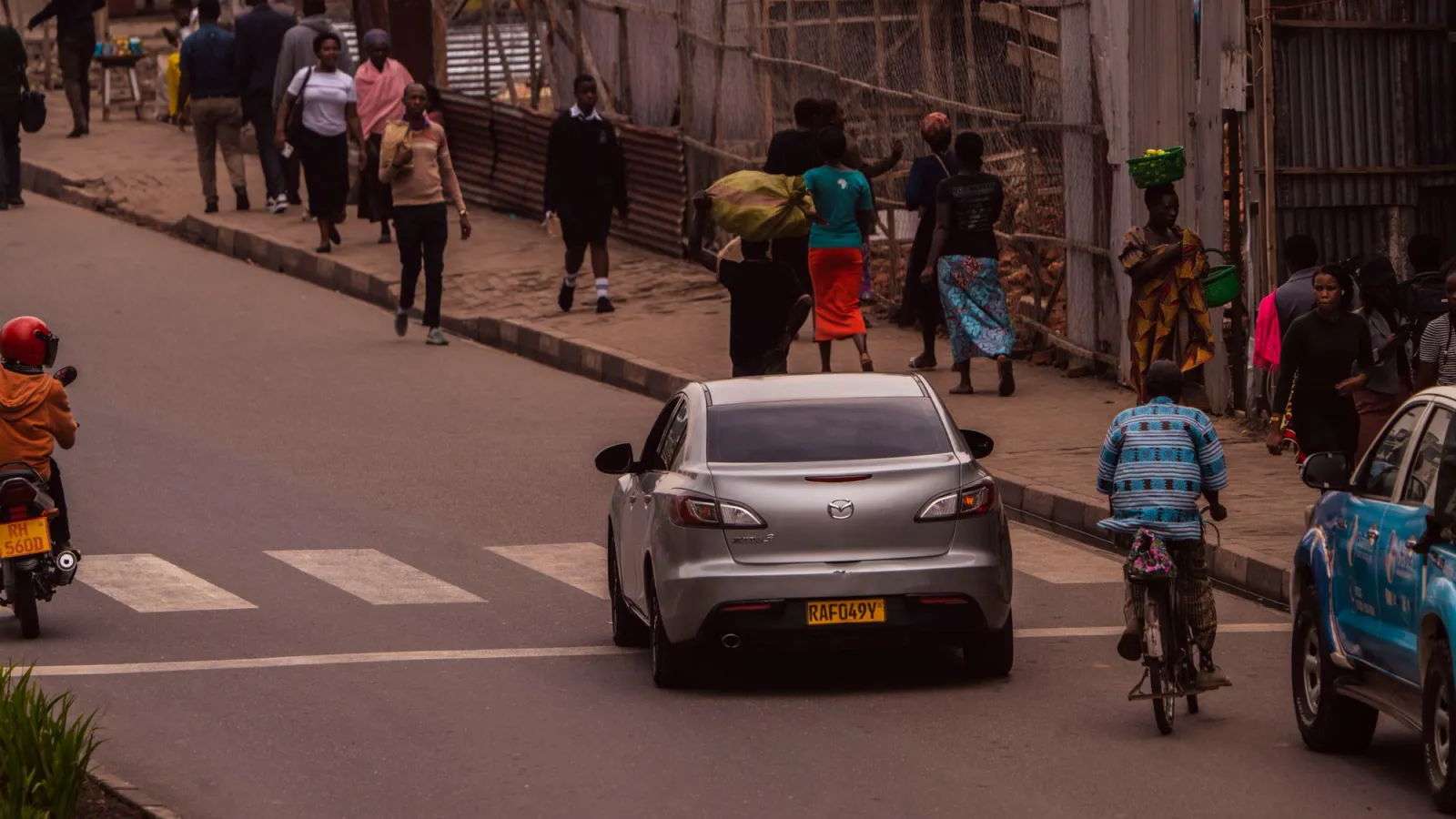
Potentially relevant conduct can include speeding, failing to yield, distracted driving, an unsafe turn, or opening a door into a cyclist’s path. A collision alone does not establish who was legally at fault. Investigators and insurers may consider traffic laws, witness accounts, vehicle damage, roadway conditions, and available video.
The rideshare connection can affect the insurance questions as well as the investigation. A claim may involve the driver, an insurer, or another party, depending on the facts and available coverage. For more context on how these cases are handled, see our guide to Rideshare and Taxi Accidents.
Who may be responsible for a pedestrian or cyclist collision?
Responsibility depends on each person’s actions and the circumstances of the crash. The rideshare driver may be responsible if their conduct fell below the care required by law and contributed to your injuries. A vehicle owner, another driver, or another entity may also be relevant in some situations, but that requires evidence rather than assumption.

For example, a driver’s failure to check a crosswalk before turning or a passenger’s sudden door opening may be important facts. A cyclist’s position, a pedestrian signal, lighting, sightlines, road design, and parked vehicles may also matter. These details can help explain how the collision occurred without automatically deciding the claim.
A rideshare company is not automatically responsible just because its app connected you with the driver or the driver was carrying a passenger. The company’s role, the driver’s relationship to it, the applicable insurance terms, and state law may all be considered. Uber and Lyft cases can involve different policies and facts; see our information about Uber Accidents and Lyft Accidents.
How can the driver’s app status affect insurance coverage?
The driver’s activity in the rideshare app at the time of the collision may affect which insurance policies are available. Whether the driver was offline, waiting for a request, traveling to pick someone up, or carrying a passenger can be relevant. The exact coverage and limits depend on the policy language and the law that applies.
A driver’s personal auto insurer may be involved, but a personal policy may treat rideshare use differently from ordinary driving. A rideshare policy may also apply under certain circumstances. These possibilities do not establish that a particular insurer will accept the claim, and policy terms can be complex.
Useful records may include trip details, app notifications, the driver’s account of their activity, and insurer correspondence. Do not rely only on a verbal description of coverage; request information about which policy is being considered and why. Keep copies of claim communications and note who contacted you, what was requested, and when.
What evidence can help explain how the crash happened?
Evidence can help establish the sequence of events, identify the parties, and document your injuries and losses. If you can do so safely, preserve information promptly because video may be overwritten and physical conditions can change. You do not need to resolve every factual dispute before asking an insurer or legal professional to review the situation.
Organize the information in a way that makes it easier to understand. Keep original photos and messages when possible, and avoid editing files that may later be used to show what you observed. If you learn that a nearby business, vehicle, or traffic camera may have captured the collision, record that lead and when you discovered it.
A practical evidence checklist includes:
- 1. Save the incident or police report details, driver and vehicle information, rideshare trip records, and insurer contacts.
- 2. Keep photographs, witness names and contact details, and any available video or messages related to the collision.
- 3. Maintain medical records, appointment details, receipts, and notes about how injuries affect your daily activities.
Can your own actions affect a claim?
Your actions may be considered when deciding how responsibility is allocated. State fault rules differ: some allow a person to recover when partly responsible, while others restrict recovery in particular circumstances. The effect depends on the governing law and the evidence, so an insurer’s initial account of fault is not necessarily the final assessment.
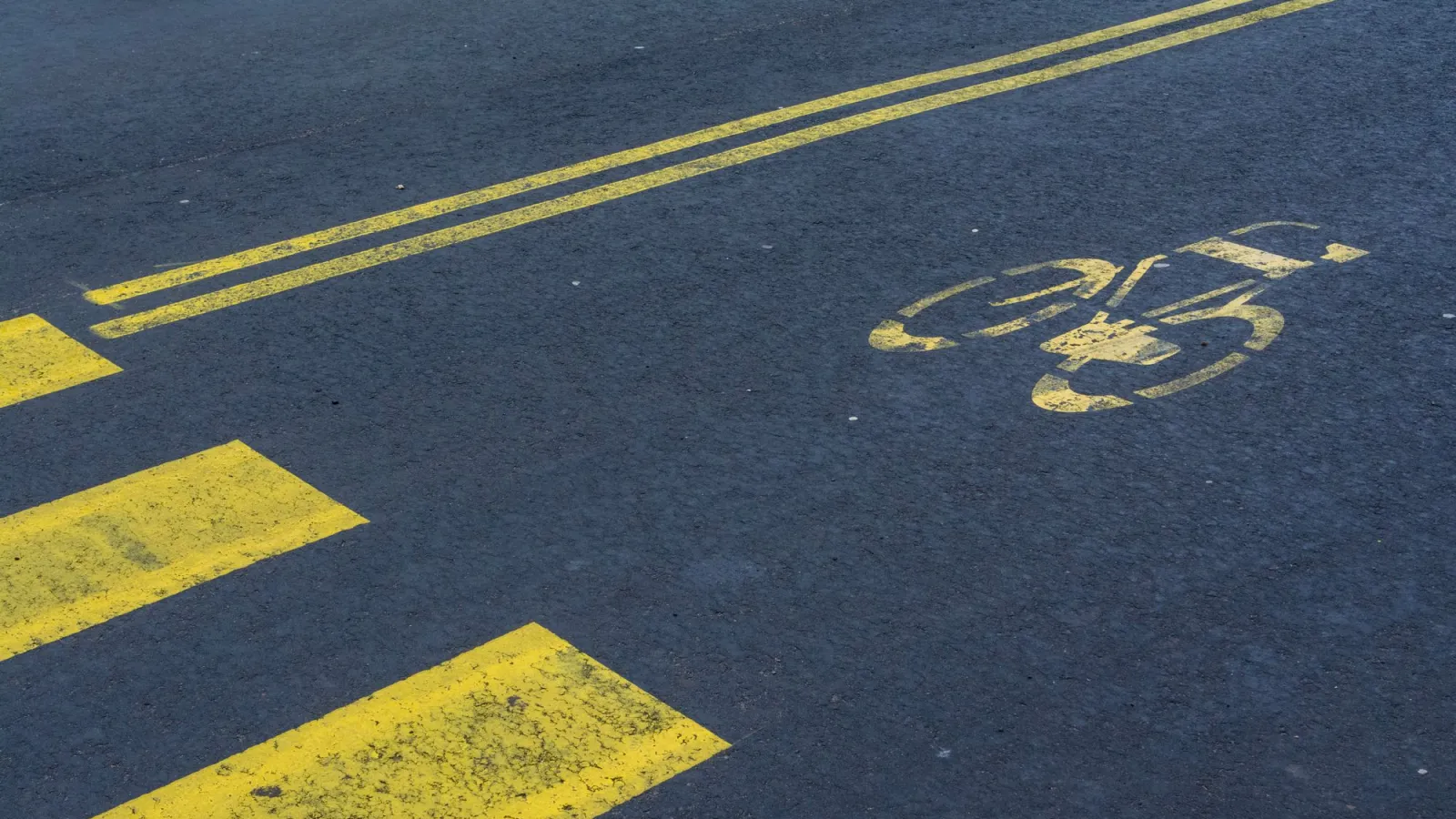
A driver or insurer may argue that a pedestrian crossed outside a marked crosswalk, that a cyclist was difficult to see, or that someone ignored a signal. Those claims must be evaluated against the full context, such as visibility, traffic flow, road conditions, and the driver’s opportunity to avoid the collision. Do not assume that an allegation by itself resolves responsibility.
Be accurate when describing what you remember, and distinguish what you personally saw from what someone else told you. If you do not know an answer, it is reasonable to say so rather than guess. Preserve relevant records and read any statement or release carefully before deciding whether to sign it.
What losses may be considered and how do insurers respond?
A claim may seek payment for losses connected to the collision, subject to the evidence, available coverage, and applicable law. Medical care, income you could not earn, damage to a bicycle or other property, and the effects of pain or limitations may be relevant. The available categories and proof required vary, and an insurer may dispute whether a particular loss was caused by the crash.
Keep bills, repair estimates, proof of missed work, and records showing changes in your activities. Medical documentation can help connect treatment to the collision, while a clear account of how your condition affects daily life may provide additional context. Do not treat a quick estimate or an early offer as a complete assessment of every loss.
An insurer may ask for records, request a recorded statement, or make an offer. You can ask what information supports its position and what terms a proposed release would cover. If you are unsure how an offer or request could affect your options, an independent review can help you understand the issues before making a decision.
What parts of a rideshare injury claim vary by state?
State law can change how a pedestrian or cyclist claim is evaluated. Deadlines for filing, fault-allocation rules, damage limits, and insurance requirements may differ. Rules about claims involving public agencies, including special notice requirements, can also apply in some circumstances.

These differences can affect both the available options and the time to act. A general online explanation cannot identify the rule that applies to your specific crash without details such as where it happened and which parties may be involved. Check the applicable requirements promptly with a qualified local professional, particularly if a public entity or government-owned vehicle may be connected to the incident.
Frequently Asked Questions
What if the police did not come to the crash?
A missing police report does not by itself determine whether you have a claim. Save other available evidence, such as photos, witness information, medical records, and communications with the driver or insurer. Ask whether a report can still be made or whether another official record exists.
Does the rideshare driver need to hit you directly for a claim?
Not necessarily. A collision or injury may involve evasive action or another event connected to a driver’s conduct, but the evidence must show how the incident happened and who may be responsible. The details and applicable law matter.
What if I was riding a bicycle when I was struck?
A cyclist may pursue a claim for injuries or property damage when another party’s legally responsible conduct contributed to the crash. Preserve information about the bicycle, damaged equipment, the roadway, and any medical care. Rules for cyclists and road users vary by location.
Can I speak with the driver’s insurer before I know the full extent of my injuries?
You can communicate with an insurer, but be careful to keep your statements accurate and avoid guessing about your recovery or losses. An early settlement or release may affect later claims. You can ask for time to review a request or offer.
Could my health insurer ask to be repaid from a settlement?
In some situations, a health plan or another payer may claim a right to reimbursement from money recovered for the injuries. The rules depend on the plan terms and applicable law. Keep notices about reimbursement claims and include them in any review of a proposed resolution.
Next Steps
Request a free case evaluation to discuss the collision, available evidence, and insurance questions with our team. You can also ask for a review of an insurance offer or help checking which deadlines may apply. Request a free case evaluation

Related Articles
Arbitration Clauses in Rideshare Terms of Service
A rideshare arbitration clause may affect how you pursue certain injury claims, but its reach depends on the agreement, the parties, and the facts. Learn what to check after a crash.

Robotaxi and Driverless Ride Accidents: Liability Questions
Responsibility for a robotaxi crash depends on what caused it and who had a role in the vehicle’s operation, design, or upkeep. Learn which evidence may help clarify your options.

Assaults by Rideshare Drivers: Civil Claims
An assault by a rideshare driver may support a civil claim against the driver and, in some circumstances, another responsible party. The facts, available evidence, and state law matter.
