
In this announcement
- Why Practice Groups?
- Our Practice Groups
- How a Practice Group Works on a Case
- When Groups Collaborate
- How Cases Are Assigned
- Support Beyond Attorneys
- What Clients Can Expect From Every Practice Group
- Choosing the Right Lawyer for Your Case
- Frequently Asked Questions
- The Role of Experts in Different Practice Groups
- A Firm Built Around Clients
- Key Takeaways
- Meet Our Team
Personal injury law covers a remarkably wide range of situations. A rear-end collision, a surgical error, a construction site fall, a defective battery fire and a nursing home neglect case each involve different evidence, different laws, different experts and different strategies. A lawyer who handles one kind of case every day develops knowledge that makes a real difference for clients.
That is why our attorneys are organized into practice groups, each focused on a set of related case types. This announcement introduces our practice group structure and explains what it means for the people we serve. You can find each attorney's profile on our Attorneys page, and every practice area page on our website shows the attorneys who handle that type of case.
Why Practice Groups?
Focused Knowledge
Truck crash cases require knowledge of federal trucking regulations. Medical malpractice cases require familiarity with medical records, standards of care and special procedural rules. Product liability cases require working with engineers and understanding defect theories. Focusing on related case types allows attorneys to build depth in these areas.
Efficient Investigation
Attorneys who handle similar cases regularly know what evidence to look for, where to find it, and how quickly it may disappear. That allows them to act quickly — sending preservation letters, requesting records and identifying experts — in the critical early days of a case.
Collaboration
Many cases cross categories. A truck crash may cause a catastrophic brain injury; a workplace fall may involve a defective ladder; a nursing home fall may result in a wrongful death. Practice groups collaborate so that each client benefits from the knowledge of the attorneys best suited to each aspect of their case.
Our Practice Groups
Motor Vehicle Accidents
Led by our Managing Partner, Sarah Anderson, this group handles car, truck, motorcycle, pedestrian, bicycle and micromobility, rideshare and taxi, bus and public transportation, and commercial and specialty vehicle accidents. Work in this group often involves crash reconstruction, vehicle data, insurance coverage analysis and federal trucking rules.
Medical Malpractice and Birth Injuries
Led by Partner James Reed, this group handles claims involving surgical errors, misdiagnosis and delayed diagnosis, medication and anesthesia errors, emergency room negligence, and birth and maternal injuries. These cases require careful review of medical records and collaboration with qualified independent medical professionals.
Workplace, Construction, Fire and Toxic Exposure
Senior Associate Maria Delgado focuses on workplace and construction injuries, fire, explosion and electrical injuries, and toxic exposure. Work in this group often involves identifying third-party claims beyond workers' compensation, safety regulations, and exposure histories. Maria speaks Spanish and works directly with Spanish-speaking clients.
Product Liability and Mass Torts
Partner David Kim leads our product liability and mass tort work, including defective vehicles and auto parts, consumer products, lithium-ion batteries, medical devices and pharmaceuticals. These cases involve engineering and scientific analysis and, in some instances, coordinated litigation. David speaks Korean.
Catastrophic Injuries and Civil Assault Claims
Senior Associate Rachel Brooks focuses on catastrophic injuries — traumatic brain injuries, spinal cord injuries, severe burns and amputations — along with civil claims for sexual and physical assault and other civil negligence claims. Catastrophic injury cases require detailed documentation of lifetime care needs, often with life care planners and economists.
Wrongful Death and Transportation Disasters
Associate Michael Torres represents families in wrongful death cases and handles aviation, boating and maritime, and railroad accident claims. These cases involve survival actions, estate coordination and often specialized federal and maritime rules. Michael speaks Spanish.
Nursing Home Abuse and Child Injuries
Associate Emily Carter focuses on nursing home and elder care abuse and neglect, as well as child injuries and school negligence. These cases often involve facility records, inspection histories, staffing data and special rules for children's claims.
Premises Liability and Public Property
Associate Daniel Foster handles premises liability — slip and falls, negligent security, pool accidents and unsafe rental properties — as well as dog bites, sports and recreation injuries, and claims involving government and public property, which often have short notice deadlines.
How a Practice Group Works on a Case
To illustrate how our practice groups function, here is how a typical case might move through our office. This is a general description, not a specific client's story.
Intake
When someone contacts us, our team gathers basic information: what happened, when and where, the injuries involved, and any insurance information. That information helps us identify the right practice group and spot urgent issues, such as a short notice deadline for a claim against a city.
The First Conversation
An attorney from the appropriate group speaks with the potential client, listens to their story, asks follow-up questions and explains how cases like theirs typically work. If the case is a good fit and the client wants to proceed, we explain our fee agreement in detail.
The First Weeks
Practice groups know which evidence disappears first in their type of case. In a truck crash, that may be electronic logging and engine data. In a slip and fall, it may be store surveillance video. In a medical case, it may be obtaining complete records, including audit trails. In a product case, it may be securing the product itself. The group moves quickly on these priorities.
Building the Case
As the client's treatment continues, the group gathers records, consults experts when needed, identifies all responsible parties and insurance policies, and keeps the client informed. Attorneys in the group share knowledge about similar cases — such as which experts are well suited to particular issues and how insurers typically approach certain claims.
Resolution
When the client's medical picture is clearer, the attorney prepares a detailed demand and negotiates. If a fair settlement is not possible, the group files suit and proceeds through litigation. Throughout, the client makes the key decisions with full information.
When Groups Collaborate
Many of our cases benefit from more than one practice group. Some examples of how collaboration works:
- A truck crash causing a spinal cord injury: The motor vehicle group handles crash evidence and trucking regulations, while the catastrophic injury group helps document lifetime care needs.
- A construction worker hurt by a defective lift: The workplace group identifies third-party claims and coordinates with workers' compensation, while the product liability group evaluates the equipment defect.
- A nursing home fall that leads to death: The nursing home group investigates facility records, while the wrongful death group guides the family through estate and wrongful death procedures.
- A pedestrian hit by a city bus: The motor vehicle group handles the crash, while attorneys experienced with public entities ensure notice requirements are met.
Collaboration ensures that each aspect of a case is handled by attorneys who work with that issue regularly.
How Cases Are Assigned
When you contact us, we gather basic information about what happened. Based on the type of case, we connect you with the practice group best suited to your situation. If your case involves multiple areas — for example, a truck crash that caused a brain injury — attorneys from different groups may work together.
You will always know who is responsible for your case and who to contact with questions.
Support Beyond Attorneys
Our attorneys are supported by team members who help gather records, communicate with clients, track deadlines and manage documents. When needed, we work with outside professionals such as:
- Accident reconstructionists
- Physicians and other medical professionals
- Life care planners
- Economists and vocational experts
- Engineers and product safety experts
- Fire and battery investigators
These professionals help explain complex issues to insurers, judges and juries.
What Clients Can Expect From Every Practice Group
Regardless of practice group, every client can expect:
- A free, confidential initial consultation
- Honest assessments of the strengths and challenges of their case
- Prompt action to preserve evidence and protect deadlines
- Clear communication and regular updates
- Involvement in every important decision
- No attorney fee unless we recover compensation
Choosing the Right Lawyer for Your Case
Whether or not you choose our firm, it is worth asking any lawyer you consider:
- How much of your practice involves cases like mine?
- Who will actually work on my case?
- What resources, such as experts, are typically needed for cases like this?
- How will you keep me informed?
- Are you prepared to go to trial if necessary?
Frequently Asked Questions
Can I choose which attorney handles my case?
Tell us if you have a preference. We will consider it along with the nature of your case and the attorneys' availability.
What if my case does not fit neatly into one practice group?
Many cases involve more than one area. Our practice groups collaborate to ensure your case receives the right attention.
Will I work directly with an attorney?
Yes. Your attorney is responsible for your case and the important decisions in it, supported by our team.
Does working with a practice group cost more?
No. Our contingency fee arrangement applies regardless of practice group.
How do I know which practice group fits my situation?
You do not need to know. Simply tell us what happened, and we will direct your matter to the right attorneys. The practice area pages on our website can also help you see which attorneys handle which types of cases.
Do practice group attorneys handle cases outside their group?
Attorneys often work across groups when cases overlap. The practice group structure is about focus and collaboration, not rigid boundaries.
The Role of Experts in Different Practice Groups
Each practice group relies on different kinds of outside professionals:
- Vehicle accidents: accident reconstructionists who analyze physical evidence and vehicle data; human factors experts who evaluate perception and reaction time; trucking safety professionals familiar with federal regulations
- Medical malpractice: physicians, nurses and other providers in the same specialty who can explain the standard of care and causation
- Workplace injuries: safety professionals familiar with workplace regulations; engineers who evaluate equipment
- Product liability: mechanical, electrical and materials engineers; chemists and battery specialists; human factors experts who evaluate warnings
- Catastrophic injuries: life care planners, rehabilitation specialists, vocational experts and economists who document lifetime needs and losses
- Wrongful death: economists who calculate lost financial support and household services
- Nursing home cases: geriatric care specialists and nursing home administration professionals
- Premises liability: building code and safety professionals, security experts in negligent security cases
Knowing which experts a case needs — and when to involve them — is one of the benefits of a focused practice. Experts are retained when they add value; not every case requires them.
A Firm Built Around Clients
Practice groups are a means to an end. The goal is to give every client the attention, knowledge and advocacy their case deserves. Whether your case is a straightforward car accident claim or a complex catastrophic injury case, you will work with attorneys who understand cases like yours and who will treat you with respect.
Key Takeaways
- Our attorneys are organized into practice groups focused on related case types.
- Practice groups cover vehicle accidents, medical cases, workplace and toxic exposure, products, catastrophic injuries, wrongful death, nursing homes and child injuries, and premises and public property claims.
- Practice area pages on our website show the attorneys who handle each type of case.
- Groups collaborate when cases cross categories.
- Every client receives a free consultation and pays no attorney fee unless we recover compensation.
Meet Our Team
Visit our Attorneys page to learn more about each member of our team, including their practice areas and the languages they speak. Each profile links to the practice areas that attorney handles, and each practice area page links back to the attorneys who handle it, so you can explore our team from whichever starting point is most natural for you.
If you or a loved one has been injured, contact us for a free, confidential case review. We will connect you with the attorneys best suited to your situation, explain your options clearly, and help you decide on next steps — with no obligation. You pay no attorney fee unless we recover compensation for you.
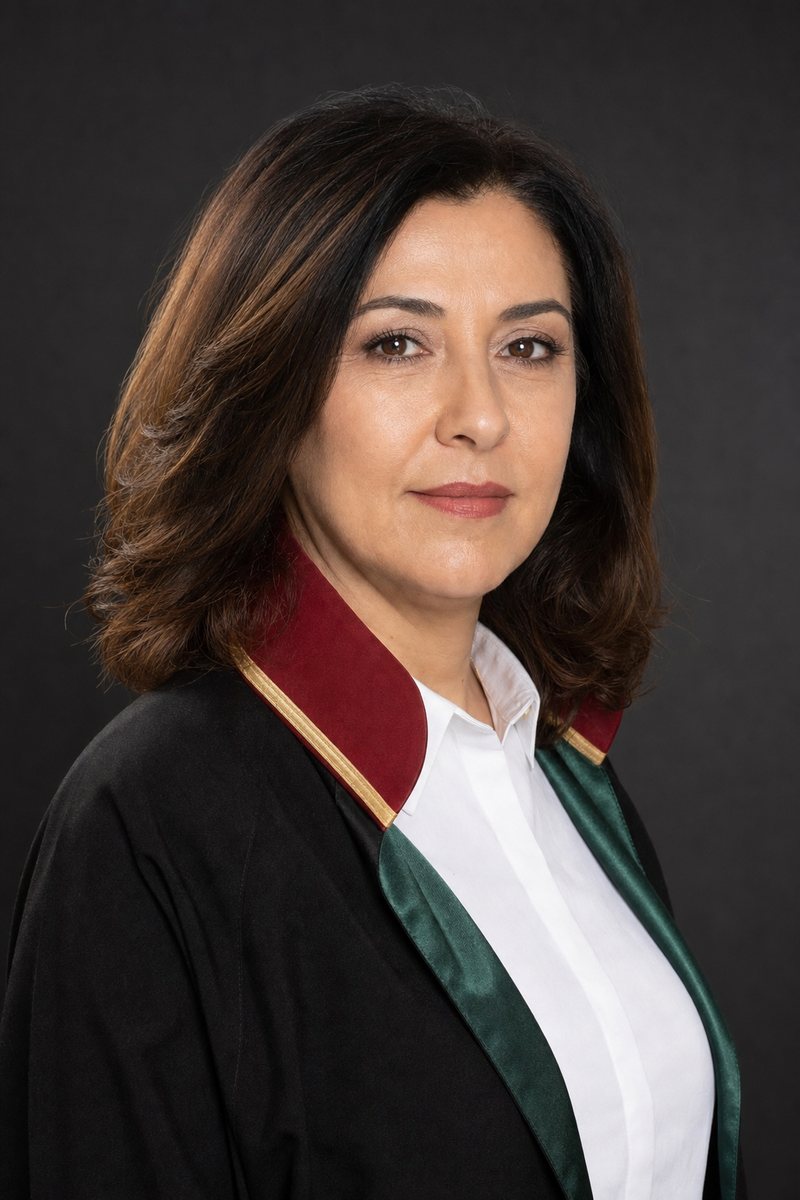
Sarah Anderson is the Managing Partner of Personal Injury Lawyer Pro and leads the firm's Motor Vehicle Accidents practice. She represents drivers, passengers and families after car, truck and motorcycle collisions, including crashes caused by impaired drivers and motorists who carry too little insurance.
View ProfileRelated Announcements

Introducing Our New Website and Personal Injury Resource Library
Our new website brings together 28 practice areas, more than 400 case-type guides, and plain-language resources on injuries and compensation — designed to help injured people find clear answers quickly.
Our Commitment: Free Case Reviews and No Attorney Fee Unless We Recover Compensation for You
Every injured person deserves access to legal help regardless of their finances. We explain our free case review process, how our contingency fee works, and what you can expect when you contact us.

Online Video Consultations Are Now Available — Meet With Our Team From Anywhere
Injured people should not have to travel to get legal help. You can now schedule a free, confidential video consultation with our team from your phone or computer. Here is how it works and how to prepare.