In this blog
- Why the Holidays Are Riskier
- Impaired Driving: Plan Before You Celebrate
- Drowsy Driving: The Underestimated Danger
- Distracted Driving
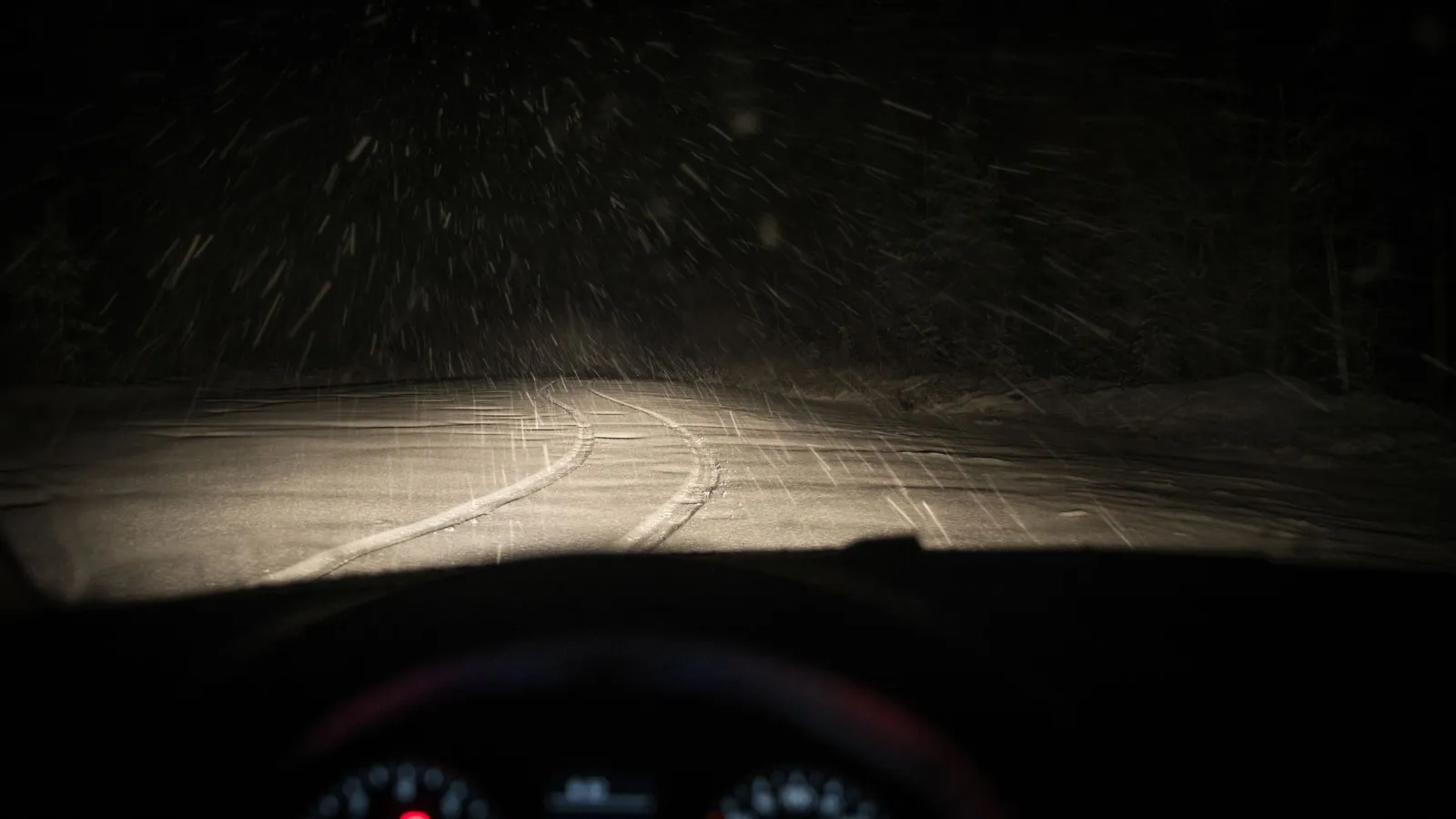
- Winter Weather Driving
- Pedestrians and Holiday Shopping
- Child Passenger Safety
- Long-Distance Road Trip Checklist
- Watch for Impaired Drivers
- Driving After Holiday Parties: Morning-After Impairment
- Teen Drivers During the Holidays
- What to Do If You Are Hit by an Impaired Driver
- Legal Options After an Impaired Driving Crash
- Victim Support
- Frequently Asked Questions
- A Season of Gratitude — and Caution
- Key Takeaways
- How We Can Help
The weeks from Thanksgiving through New Year's are some of the busiest travel times of the year. Families drive long distances to visit relatives, roads fill with shoppers, and celebrations often involve alcohol. Winter weather adds another layer of risk in many parts of the country. Together, these factors make the holiday season a dangerous time on the road.
This post offers practical tips for staying safe during holiday travel — from avoiding impaired and drowsy driving to preparing for winter conditions — and explains what to do if you or a loved one is injured by an impaired driver.
Why the Holidays Are Riskier
- More drivers on the road, including long-distance travelers unfamiliar with routes
- More alcohol-related gatherings, increasing impaired driving
- More late-night driving after parties and events
- Fatigue from long drives, travel schedules and busy weeks
- Winter weather, including snow, ice, rain and early darkness
- Distraction from navigation, phones and passengers
- Rushing to meet schedules and reach destinations
Impaired Driving: Plan Before You Celebrate
Alcohol-impaired driving remains one of the leading causes of traffic deaths in the United States. Impairment begins well before a person feels "drunk." Alcohol affects judgment, reaction time, coordination and vision — and it also leads people to underestimate how impaired they are.
Tips for Avoiding Impaired Driving
- Decide how you will get home before you go out. Choose a sober driver, plan to use a rideshare or taxi, or arrange to stay overnight.
- Do not rely on "feeling fine." Impairment affects your ability to judge your own impairment.
- Remember that cannabis and some medications impair driving too. Read medication labels and ask your pharmacist about effects on driving.
- Do not ride with an impaired driver. Offer to find another ride for everyone.
- Watch out for others. If a friend is impaired, help them get home safely.
If You Are Hosting
Hosts can help keep guests safe:
- Offer plenty of food and non-alcoholic drinks
- Stop serving alcohol well before the party ends
- Have rideshare information ready and offer to call rides
- Offer a place to stay overnight
- Do not let a visibly impaired guest drive
In some states, social hosts who serve alcohol to minors — and in limited circumstances, to visibly intoxicated adults — may face legal responsibility for resulting harm. Laws vary widely.
Drowsy Driving: The Underestimated Danger
Fatigue impairs driving in ways similar to alcohol. Drowsy drivers have slower reactions, poorer judgment and may experience "microsleeps" — brief lapses of a few seconds during which the vehicle travels a long distance without a driver's attention.
Tips to Prevent Drowsy Driving
- Get a full night of sleep before a long drive
- Avoid driving during hours when you would normally be asleep
- Take a break every two hours or 100 miles
- Share driving with another licensed driver
- Pull over in a safe place and rest if you feel drowsy — yawning, heavy eyelids, drifting between lanes or missing exits are warning signs
- Do not rely on caffeine, open windows or loud music as substitutes for rest
Distracted Driving
Holiday travel often means navigating unfamiliar routes, coordinating with family by phone, and managing excited passengers. Distraction can be visual (eyes off the road), manual (hands off the wheel) or cognitive (mind off driving).
- Set navigation before you start driving
- Put your phone on "do not disturb" while driving
- Let a passenger handle navigation and messages
- Pull over to make calls or address passengers' needs
- Secure pets so they do not distract you
Winter Weather Driving
Before You Go
- Check the forecast and road conditions along your route
- Make sure your tires, brakes, lights, wipers and battery are in good condition
- Keep your gas tank at least half full
- Pack a winter emergency kit: blankets, flashlight, phone charger, water, snacks, ice scraper, shovel, sand or kitty litter for traction, and first aid supplies
- Tell someone your route and expected arrival time
On the Road
- Slow down and increase following distance significantly on snow and ice
- Brake gently and avoid sudden maneuvers
- Be especially careful on bridges, overpasses and shaded areas, which freeze first
- Use headlights in poor visibility
- Give snowplows plenty of room and do not pass them unless it is safe
- If conditions are dangerous, wait it out
Pedestrians and Holiday Shopping
Parking lots and shopping areas are especially busy during the holidays. Drivers searching for spaces may not watch for pedestrians, and early darkness reduces visibility.
- Drivers: slow down in parking lots and watch for people walking between cars
- Pedestrians: use crosswalks, make eye contact with drivers, and wear bright or reflective clothing at night
- Keep children close in parking lots
Child Passenger Safety
Holiday travel is a good time to check car seats:
- Use the right seat for your child's age, weight and height
- Make sure the seat is installed correctly
- Avoid bulky winter coats under harness straps, which can compress in a crash; use blankets over the harness instead
- Keep children in the back seat
Long-Distance Road Trip Checklist
If you are driving a long distance for the holidays, a little preparation goes a long way:
- Vehicle check: Tires (including tread depth and pressure), brakes, lights, wipers, fluids and battery
- Route planning: Check traffic, construction and weather; plan rest stops every two hours
- Driver plan: Decide who will drive which legs; avoid driving through the night
- Emergency kit: Blankets, water, snacks, flashlight, first aid kit, phone charger, jumper cables and traction aids
- Documents: Insurance card, registration and roadside assistance information
- Passenger plan: Snacks, entertainment and frequent breaks for children; secure pets in carriers or harnesses
- Communication: Share your route and expected arrival time with someone
Watch for Impaired Drivers
You cannot control other drivers, but you can watch for signs of impairment and keep your distance. Warning signs include:
- Weaving, drifting or straddling lanes
- Driving far below or above the speed limit
- Braking erratically or stopping without reason
- Wide turns or near-misses with curbs and objects
- Driving at night without headlights
- Slow responses to traffic signals
If you see a driver who appears impaired, keep a safe distance, do not try to stop or confront them, and, when it is safe, pull over and call 911 with the vehicle's description, location and direction of travel. Never use your phone while driving to make the call — let a passenger do it, or pull over first.
Driving After Holiday Parties: Morning-After Impairment
Many people do not realize that alcohol can still affect them the morning after a late night. The body eliminates alcohol at a relatively steady rate, and coffee, cold showers and sleep do not speed it up. If you drank heavily late at night, you may still be impaired the next morning. Plan accordingly — especially before early holiday travel.
Teen Drivers During the Holidays
Holiday breaks mean more teen drivers on the road, often driving at night and with friends. Parents can help by:
- Setting clear expectations about passengers, curfews and phone use
- Reinforcing zero tolerance for alcohol and drugs
- Offering a no-questions-asked ride home if a teen ever feels unsafe
- Modeling safe driving behavior themselves
What to Do If You Are Hit by an Impaired Driver
- Call 911 and get medical help. Tell police if you suspect the other driver is impaired.
- Stay safe. Do not confront the other driver.
- Document the scene if you can: vehicles, injuries, road conditions and witnesses.
- Get medical care and follow up on all treatment.
- Notify your insurer.
- Avoid recorded statements to the other driver's insurer before getting advice.
- Contact a lawyer to protect your rights.
Legal Options After an Impaired Driving Crash
Claims Against the Driver
An impaired driver is typically responsible for the harm caused. A criminal case may proceed separately, but a civil claim for compensation does not depend on a criminal conviction.
Dram Shop Claims
Many states have dram shop laws that allow injured people to bring claims against bars, restaurants or other alcohol vendors that served alcohol to a visibly intoxicated person or to a minor who then caused a crash. These laws vary considerably, and some states limit or do not recognize such claims. Evidence such as receipts, surveillance video and witness accounts can be important, and it may disappear quickly.
Social Host Liability
Some states allow claims against social hosts in limited circumstances, most often involving alcohol served to minors.
Punitive Damages
In some states, punitive damages may be available in drunk driving cases because of the reckless nature of the conduct. Standards vary.
Insurance Coverage
The impaired driver's liability insurance is the primary source of compensation. If coverage is insufficient, your own underinsured motorist coverage may help. Vendors may carry liquor liability insurance in dram shop cases.
Victim Support
Impaired driving crashes can be traumatic. Victims and families may benefit from support organizations and, in criminal cases, victim services programs that help victims understand the criminal process, attend hearings and seek restitution. Restitution in criminal cases is usually limited and does not replace a civil claim.
Frequently Asked Questions
Can I sue the bar that served the drunk driver?
Possibly, depending on your state's dram shop law and the evidence. Prompt investigation is important.
Do I need to wait for the criminal case to finish?
No. A civil claim can proceed independently, though evidence from the criminal case may be helpful.
What if the drunk driver has no insurance?
Your uninsured motorist coverage may provide compensation. Other parties, such as a bar or vehicle owner, may also be responsible.
Are holiday crashes treated differently legally?
No. The same legal rules apply, but the circumstances — such as impairment or weather — affect the facts of each case.
What if I was hit by a driver who slid on ice?
Drivers must adjust to road conditions. A driver who travels too fast for icy conditions or follows too closely may be responsible even though weather contributed. In some cases, a property owner or government entity responsible for clearing roads or parking lots may share responsibility.
Is it safe to use cruise control in winter?
Many safety organizations advise against using cruise control on wet, snowy or icy roads, because it can delay your reaction if your vehicle begins to lose traction.
A Season of Gratitude — and Caution
The holidays are about connection: with family, friends and community. A few minutes of planning — arranging a sober ride, getting enough rest, checking the weather, putting the phone away — protects those connections. If you take one thing from this post, let it be this: decide how you will get home before you go out, and help the people you care about do the same. Saving a rideshare app on your phone, agreeing on a designated driver in advance, or keeping a guest room ready for friends who should not drive are small steps that prevent tragedies. And if the worst does happen — if someone else's choice to drive impaired changes your life — know that you have rights and that help is available.
Key Takeaways
- The holiday season brings more drivers, more alcohol, more fatigue and more winter weather.
- Plan sober rides before celebrating, and help guests get home safely if you host.
- Drowsy and distracted driving are serious risks on long holiday drives.
- Prepare for winter conditions and check car seats before traveling.
- If an impaired driver injures you, you may have claims against the driver and, in some states, the establishment that served them.
How We Can Help
At Personal Injury Lawyer Pro, we represent people injured by impaired, drowsy and distracted drivers, and we investigate every potential source of compensation. If you or a loved one was hurt in a crash, contact us for a free, confidential consultation. You pay no attorney fee unless we recover compensation for you.

Sarah Anderson is the Managing Partner of Personal Injury Lawyer Pro and leads the firm's Motor Vehicle Accidents practice. She represents drivers, passengers and families after car, truck and motorcycle collisions, including crashes caused by impaired drivers and motorists who carry too little insurance.
View ProfileRelated Blog

10 Mistakes That Can Hurt Your Personal Injury Claim — and How to Avoid Them
Small decisions in the days and weeks after an injury can have a big effect on your claim. Here are ten common mistakes we see, why they matter, and what to do instead.
Dog Bite Safety for Children: Prevention Tips for Families and What to Do If a Bite Happens
Children are the most frequent victims of serious dog bites, and many bites involve a dog the child knows. Here is how families can reduce the risk — and what to do, medically and legally, if a bite happens.

Should You Talk to the Insurance Adjuster After an Accident? What to Say and What to Avoid
Insurance adjusters often call within days of an accident. Knowing who they work for, what they want and how to respond can protect your claim. Here is a practical guide.